
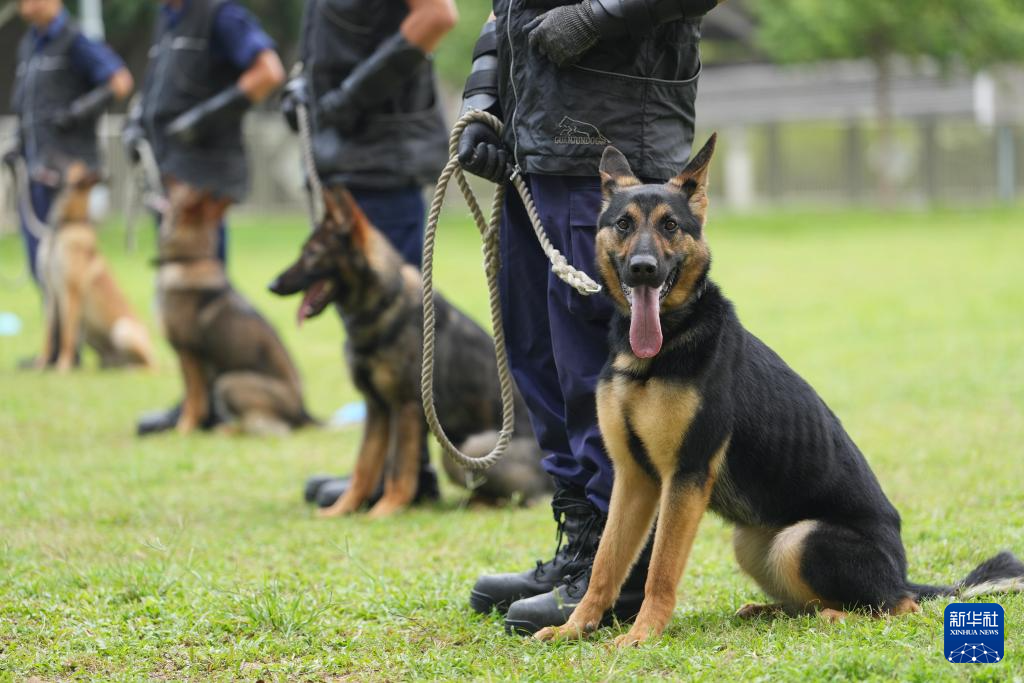
Anna is a female Malinois who served for nearly five years with the Hong Kong Police Dog Unit. With handler Tsang Kit-ying, she trained, patrolled, helped in mountain work and search situations, and steadied chaotic scenes. After bone spurs made her unfit for frontline patrol, Tsang brought her home. On the first night, the dog who had once commanded public order touched the soft bed with one paw and pulled back. In retirement, Anna had to learn not pursuit or obedience, but how to relax and be loved as an ordinary dog.
Hong Kong, China; Hong Kong Police Dog Unit and a retired working dog’s adoptive home
The first night, the bed felt impossible
On Anna's first night at home after retirement, Tsang Kit-ying invited her to rest on the bed. To a person, it was an ordinary bed. To Anna, it was a strange new surface and almost a strange new rule. She looked around, placed one paw on the mattress, felt it give way, and pulled back.
This was not the ground she knew. The kennel floor was hard and certain. Training fields had clear commands, and after duty there was always a fixed place to return to. But now there was no crowd to steady, no suspect to guard, and no urgent scene waiting outside the door. There was only a home, a handler waiting patiently, and a soft place Anna did not yet trust.
Tsang later said Anna must have felt strange. At that moment she understood that after retirement, Anna no longer needed to learn attack, pursuit, or stricter obedience. She needed to learn how to relax, how to feel safe, and how to become an ordinary dog inside a real home.
From four-month-old puppy to inseparable partner
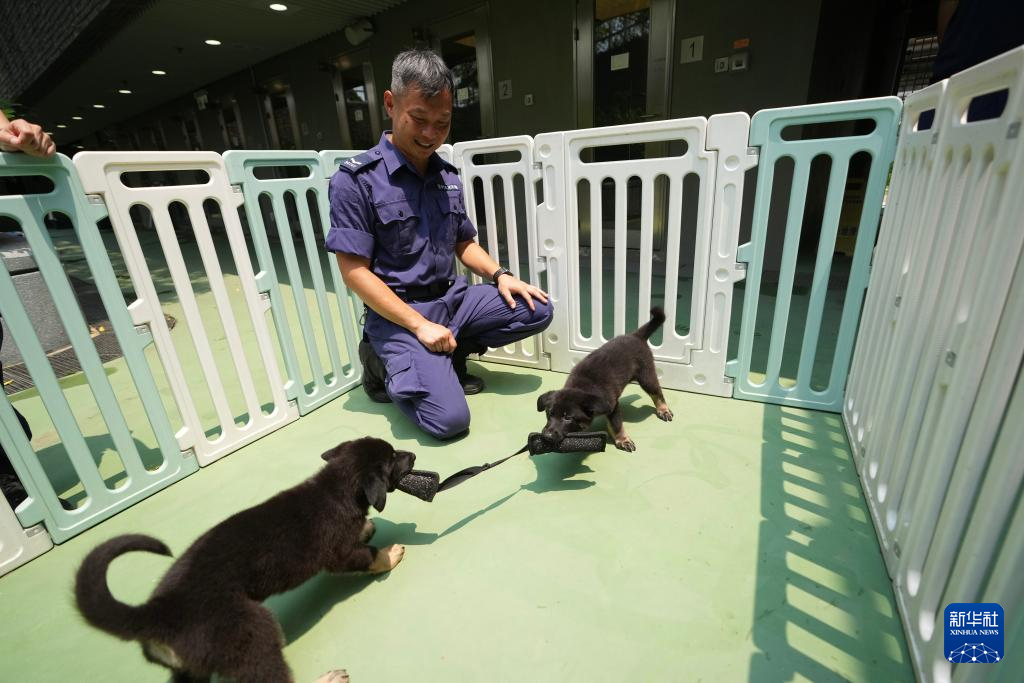
Anna is a female Malinois, not large in size, but fierce, strong, and loud when duty required it. The Police Dog Unit paired her with Tsang, a petite police constable who joined the unit in 2021. Anna was only four months old when they first met.
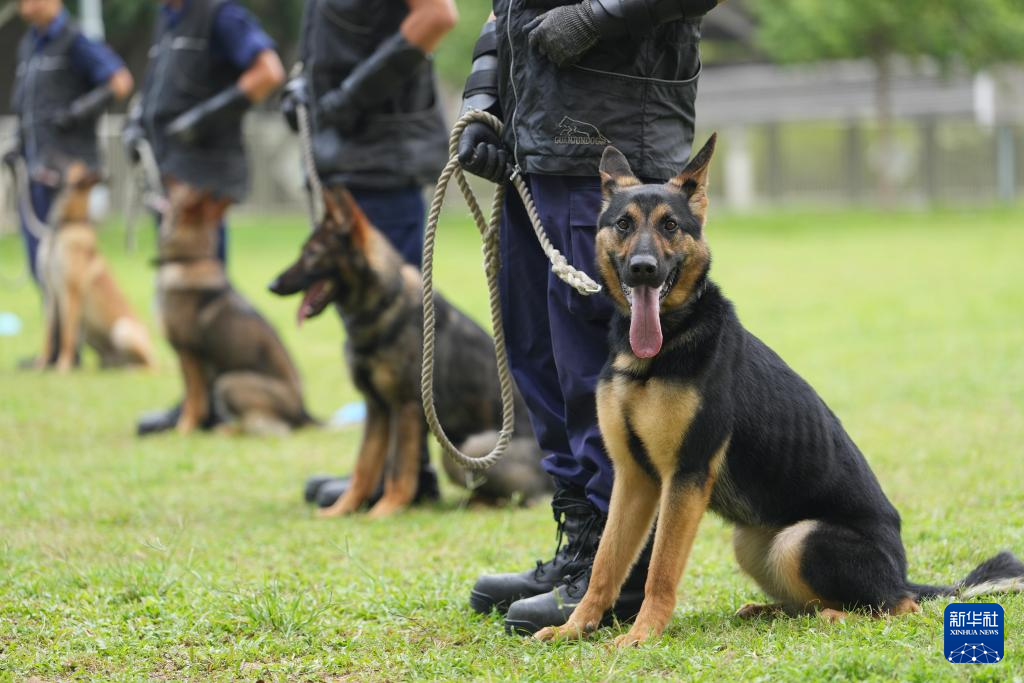
Tsang began by caring for her as a puppy. When Anna was ten months old, they entered an approximately 17-week basic patrol dog course together. After graduation, they served in the New Territories rural patrol team and later with the emergency unit. Their partnership did not end when the workday ended. Tsang worked ten-hour shifts, then continued to communicate, play, bathe, and care for Anna after work.
A police dog does not understand a city by instinct alone. It has to learn the difference between noise and danger, between a crowd and a threat, between waiting and moving. Behind Anna's courage were many repeated days: correction, reward, training games, grooming, patience, and trust that kept being rebuilt.
A bark that could quiet a scene
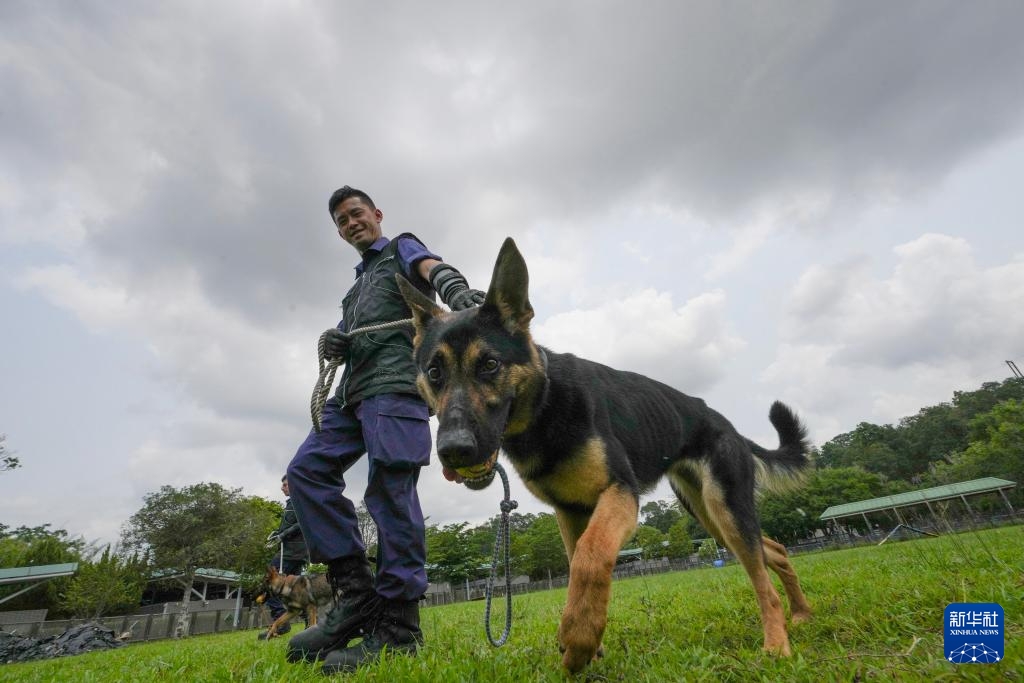
In the rural patrol team, Tsang and Anna went into the hills for anti-burglary patrols, helped combat illegal immigration, and took part in searches for lost citizens. After moving to emergency response work, they faced violent midnight incidents and group fights.
Reports quote Tsang as saying that when they arrived, Anna's bark and imposing presence could immediately deter people at the scene. A trained police dog is not only a symbol of force. In a confused and noisy moment, its presence can make people recognize a boundary and give frontline officers time to regain control.
Anna also helped guard arrested suspects during investigations. To the city, such work often appears only as brief operational notes. To Anna, it was a whole working life: a leash, a handler's voice, a smell, a direction, and a task carried out because trust had been built over years.
After duty, loyalty changed its shape
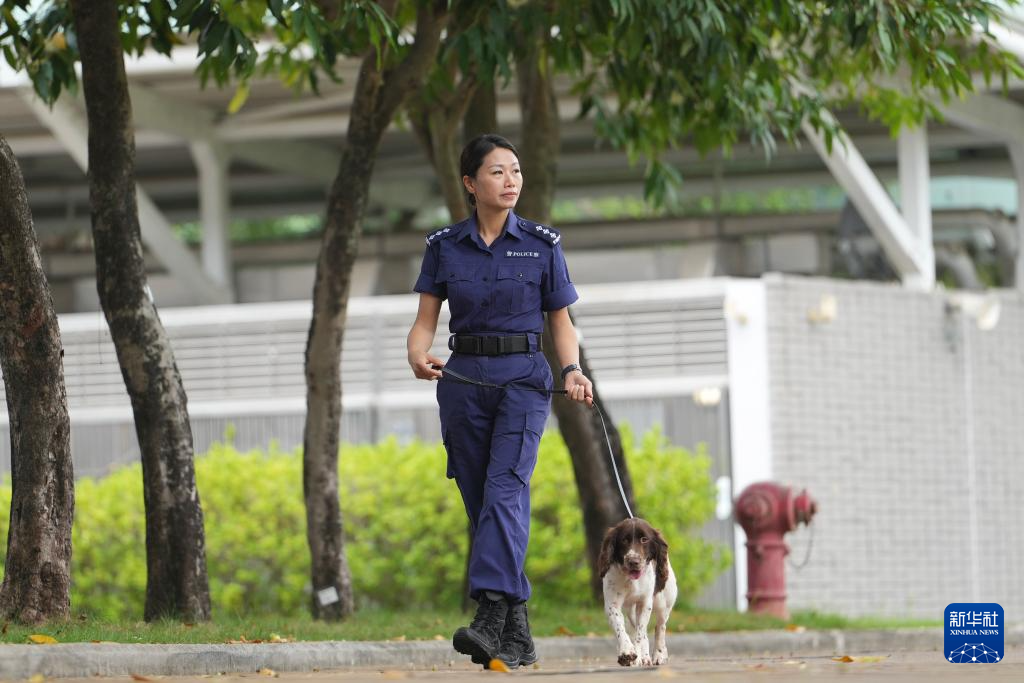
After several years working side by side, Anna was diagnosed with bone spurs that kept growing and made her unsuitable for frontline patrol. Tsang's first thought was to bring Anna home. Anna had protected the public with loyalty; Tsang wanted to protect Anna for the rest of her life.
At home, Tsang removed Anna's police harness. Anna explored the new space and accepted Tsang's family without unease. At work she had been alert, formidable, and intimidating. At home another side appeared. When the family cooked steak or meat, Anna waited outside the kitchen with a look Tsang had never seen on duty.
Hydrotherapy, hiking, and low-intensity activities became part of her new rhythm. She no longer had to hold her body in constant readiness or treat every sound as a possible risk. With patient guidance, she finally climbed onto the bed, curled up, and closed her eyes. A working dog of the city had learned to sleep safely at home.
Leaving a life after work
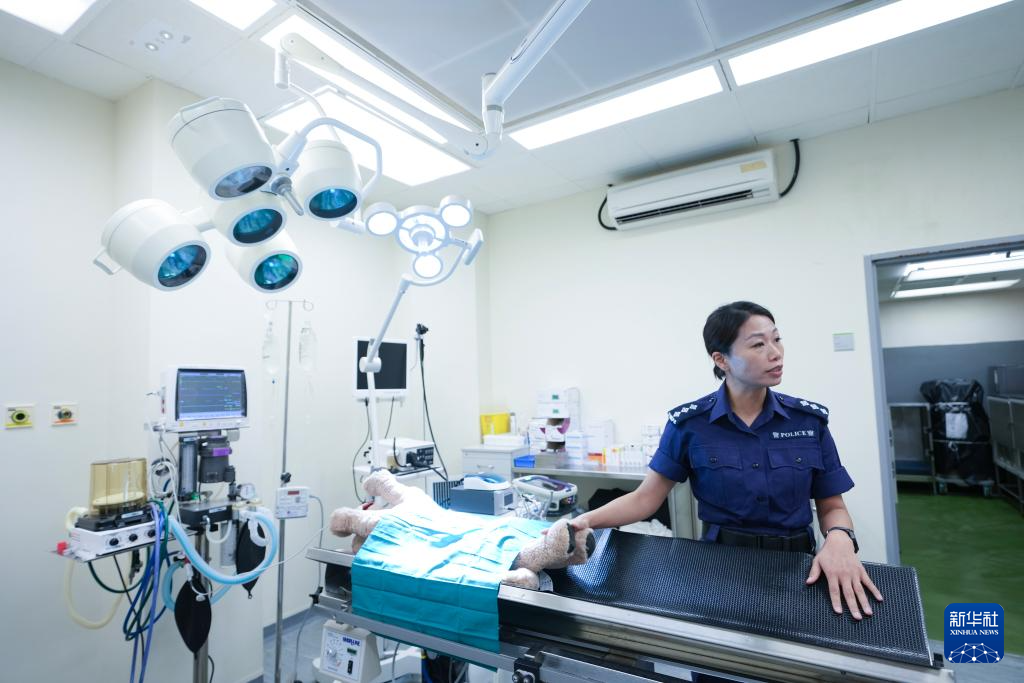
Hong Kong's Police Dog Unit has a long-running adoption arrangement for retired police dogs. Original handlers have priority. If they cannot adopt, members of the public may apply, with phone screening, interaction at headquarters, home visits, and guidance from medical staff and former handlers. Dogs that cannot be adopted remain under the unit's care.
That matters. Working animals take on order, search, companionship, and risk for humans. They should not be valued only while they can still run, guard, detect, and obey. Respect means remembering them when they slow down, fall ill, retire, and need ordinary tenderness.
Anna's story is gentle not because there was no danger in it, but because after danger there was a home. She once used her bark to help protect the city. Now someone protects her remaining years with patience. The soft bed she first doubted became the quietest ending of the story: a police dog no longer had to stay alert. She could simply be Anna.
Timeline
- 1949 The Hong Kong Police Dog Unit was established with four German Shepherds on patrol.
- 2021 Tsang Kit-ying joined the Police Dog Unit and met Anna when Anna was four months old.
- At ten months old Anna entered an approximately 17-week basic patrol dog training course with Tsang.
- During service Anna worked in rural patrol, anti-burglary duties, search situations, and emergency response scenes.
- Before retirement Anna was diagnosed with bone spurs and became unsuitable for frontline patrol.
- 2026-05-31 Xinhua and China Daily HK reported Anna's retirement story and Hong Kong's police dog adoption arrangements.
💬 Leave a Message
Messages are reviewed before publication. Please keep them calm, factual, and respectful.