
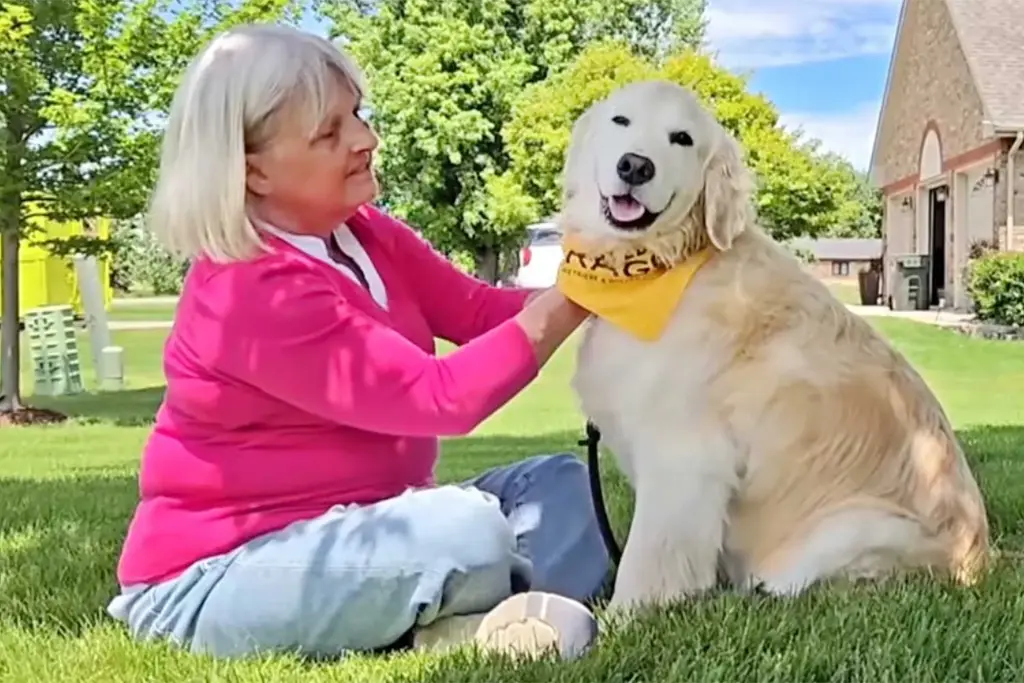
In July 2026, PEOPLE reported the story of Donna Aho in Iowa and her golden retriever, Skye. After Aho was diagnosed with Alzheimer's disease, Skye's companionship became part of daily care. The dog stayed close, responded to emotional changes, and helped the family keep a soft, steady connection inside a difficult illness.
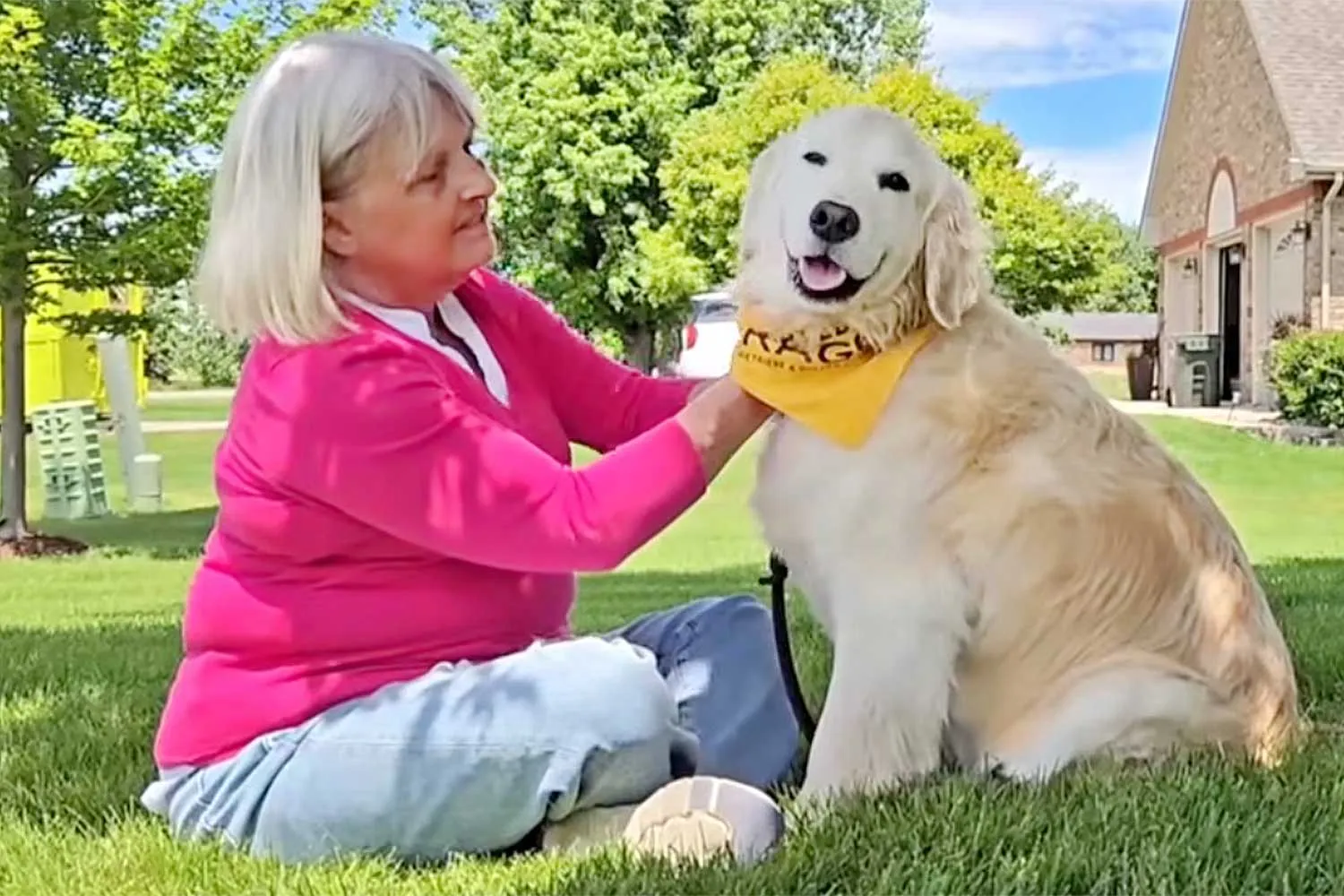
Davenport area, Iowa, United States | Golden retriever Skye and Donna Aho
After the diagnosis, the house slowed down
The public report places the story in a family scene that is not dramatic but deeply real: Donna Aho faced an Alzheimer's diagnosis, and daily life began to be reshaped by memory, emotion, and care routines. Illness does not always arrive as an emergency; often, familiar names, objects, and steps slowly become less steady.
In that change, Skye had no medical language and could not understand a diagnosis. But she knew a person's scent, footsteps, and mood. She came close, waited, and accompanied Aho in the way a dog can, pressing a little stability back into a home whose rhythms were shifting.
From pet to care relationship
Skye's importance is not that she replaced professional care. It is that she helped keep a person inside relationship. For someone living with cognitive decline, steady company, familiar touch, and the feeling of being answered can sometimes reach more directly than explanation.
The family did not see a performing animal. They saw a companion who kept showing up: lying nearby, following, looking up, or coming close when Aho seemed unsettled. Repeated day after day, those small acts become care.
Dignity and tenderness inside illness
Alzheimer's changes a family's sense of time: what was clear yesterday may blur today; what is still possible today may later require help. Skye's presence made that road less lonely. She did not ask whether memory remained complete; she responded to the person in front of her.
That is one of the quiet gifts of animal companionship. It does not turn illness into a miracle or hide the weight of caregiving. It preserves a small space of closeness that does not need to be explained.
Why this record matters
Global Animal Memorial records Skye's story because animal stories do not happen only at disaster sites or rescue scenes. They also happen inside chronic illness, family care, and ordinary days of staying beside someone.
A dog cannot cure Alzheimer's disease, but a dog can help a person remain recognized, approached, and gently waited for while illness changes life. That memory deserves preservation too.
Timeline
- 2026-07-06 PEOPLE published the report about Skye and Donna Aho.
- After diagnosis Skye's companionship became part of Donna's daily care and emotional support.
💬 Leave a Message
Messages are reviewed before publication. Please keep them calm, factual, and respectful.