
Animal Harm Archive
Shanghai Tongji University Zhangwu campus cats suspected poisoning case
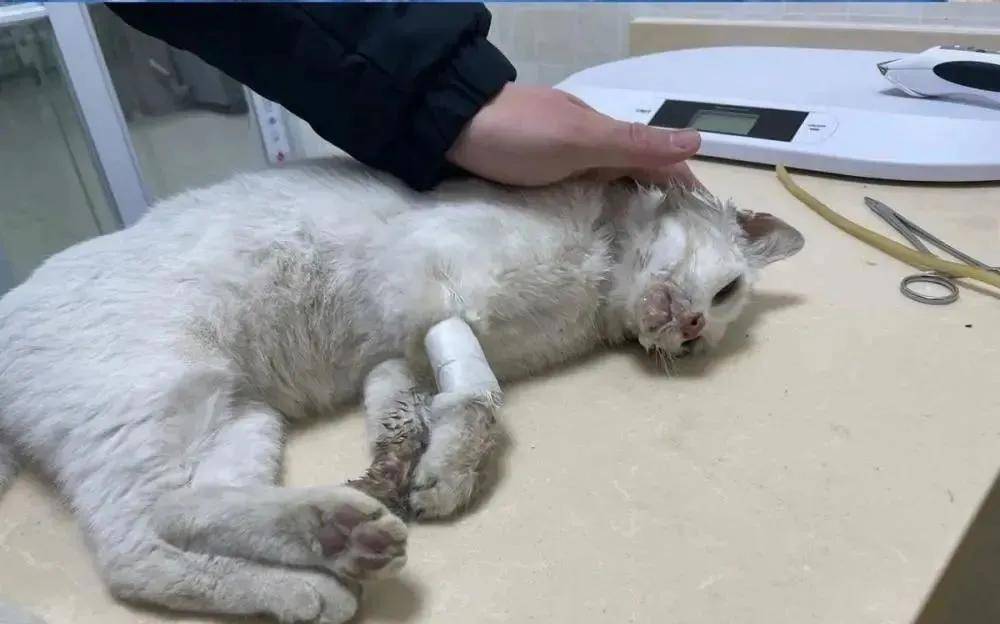
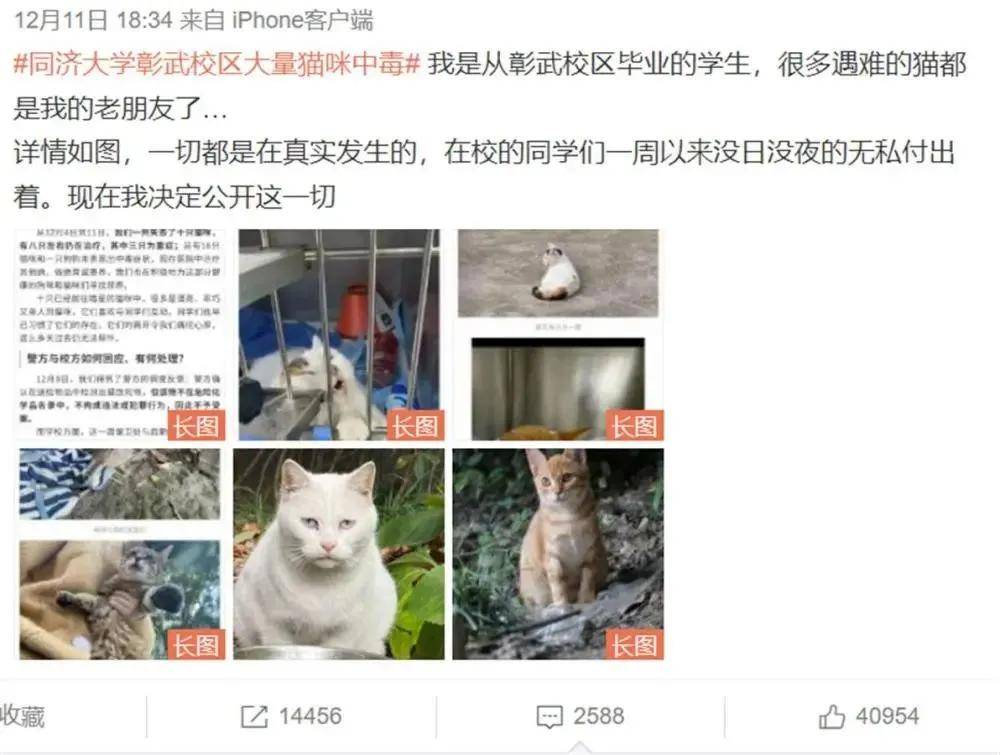
In December 2021, many campus stray cats at Tongji University’s Zhangwu campus in Shanghai developed symptoms consistent with acute poisoning, including unstable walking, convulsions, kidney injury and kidney failure. Public reports said students began finding sick cats on December 4, sent them to clinics, collected food bowls for testing and reported the case to police. By December 11 to 13, around 10 to 11 cats had died, with several others still receiving treatment. Reports also said toxic substances harmful or fatal to cats were detected in cat bowls. Media later quoted the Hudong University Police Station of the Shanghai Public Security Bureau’s cultural-security branch as saying that the relevant perpetrator had been found and had admitted the act.
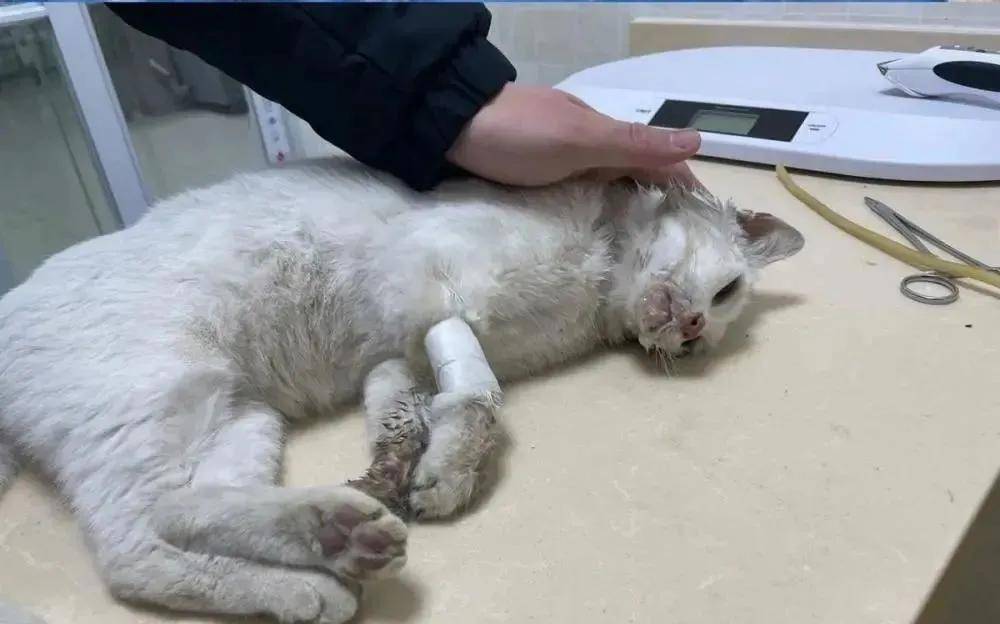
Cats that suddenly vanished from campus
Tongji University’s Zhangwu campus had many stray cats familiar to students. They lived near classrooms, dormitories, grass areas and feeding points, and students had long helped with feeding, rescue, neutering and adoption.
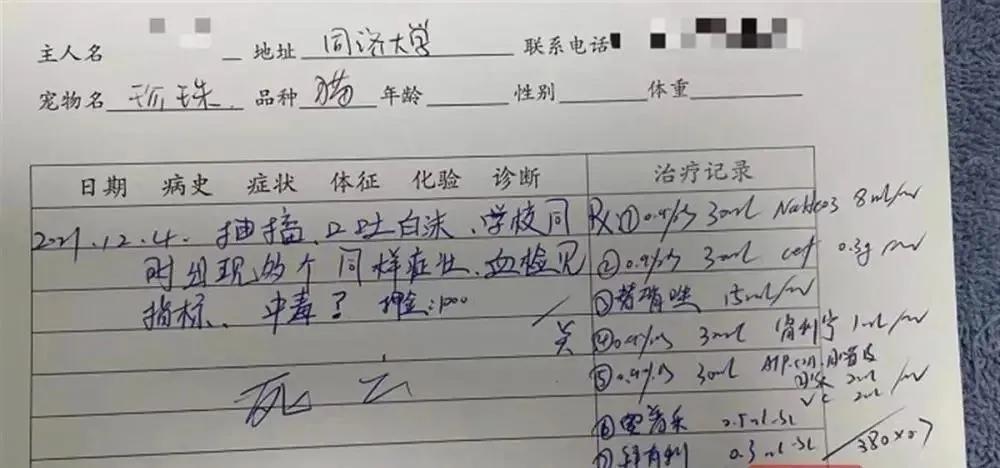
In early December 2021, that ordinary coexistence was suddenly broken. On the evening of December 4, students reported in a cat-feeding group that cats were walking unsteadily and convulsing. A white cat named Zhenzhu was rushed to a clinic but died that night. More cats soon showed similar symptoms.
Mass acute poisoning and student rescue
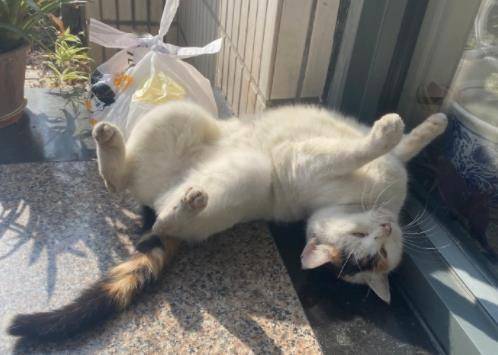
Students told media that the affected cats came from different parts of campus, yet clinics found kidney injury and kidney failure in many of them. Veterinarians tended to judge the cluster as acute poisoning.
Reports said 18 stray cats had shown poisoning symptoms by December 11, with 10 dead; by around December 13, the death toll had risen to 11, while 9 cats remained under treatment, including 2 in serious condition. More than 80 students took part in rescue efforts, sending cats for checks, treatment, fostering and adoption.
Bowl testing and police response
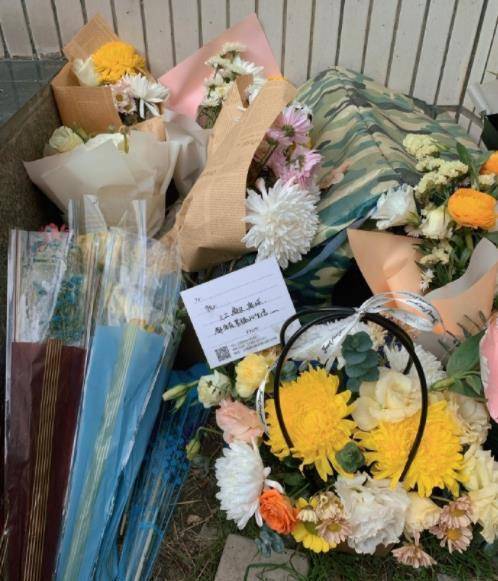
Public reports cited students as saying that cat bowls sent for testing contained a substance toxic or fatal to cats. Students also said normal human contact with the substance had limited effect, but excessive intake could still pose poisoning risk.
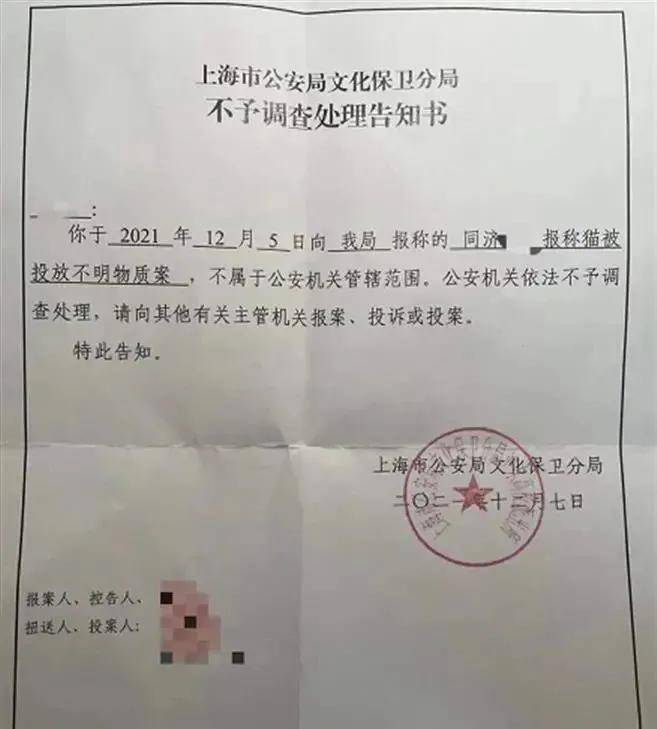
Tencent News and Sohu reports quoted China Newsweek as saying that the Hudong University Police Station had found the relevant perpetrator and that the person had admitted the act. Tongji staff were also reported as saying that cameras were being added in blind spots and security patrols strengthened.
A campus death that should not have happened
Managing campus stray cats requires order: feeding points, neutering, adoption, sanitation and communication all need long-term work. But none of these difficulties can justify poisoning.
The cruelty lies not only in the number of deaths, but in the process the cats endured: convulsions, unstable movement, kidney failure and failed rescue. Each term points to a specific animal that could not identify poison or understand why food had become a trap.
Why this case is recorded
The Tongji Zhangwu campus case is one of the clearer Chinese campus animal-harm records: students kept rescuing cats, media reported the case, testing and police information were preserved, and police response was publicly quoted.
It also shows that coexistence on campus should not rely only on a few compassionate students. Stable systems for feeding, neutering, adoption, monitoring and accountability are needed to reduce such harm. Asking who poisoned the cats is not revenge; it is basic justice for vulnerable lives.
Timeline
- Evening of December 4, 2021: Students at Tongji’s Zhangwu campus found cats walking unsteadily and convulsing; the white cat Zhenzhu died after emergency treatment.
- Early December 5, 2021: Students reported the matter to police and sent cat food and bowls for testing.
- Around December 11, 2021: Public posts said many cats had poisoning symptoms and about 10 had died.
- December 13, 2021: Media reported 11 dead cats and 9 under treatment; China Newsweek quoted police as saying the perpetrator had been found and admitted the act.
- Later: The university was reported to be adding cameras in blind spots and strengthening patrols while students continued treatment, fostering and adoption work.
Public Sources
This article is based on public reports from Sohu, Tencent News/Zhengguan News, Sina Finance’s republication of Beijing Youth Daily, and related media coverage. Poisoning symptoms, bowl testing and death counts are recorded as student accounts and media reports; the police response is recorded as quoted by media.
Remember and Respond
Offer a Flower
Anonymous flower offerings are limited by IP address to keep this public-interest website sustainable.
Messages
Approved visitor messages will appear here after review.
💬 Leave a Message
Messages are reviewed before publication. Please keep them calm, factual, and respectful.