
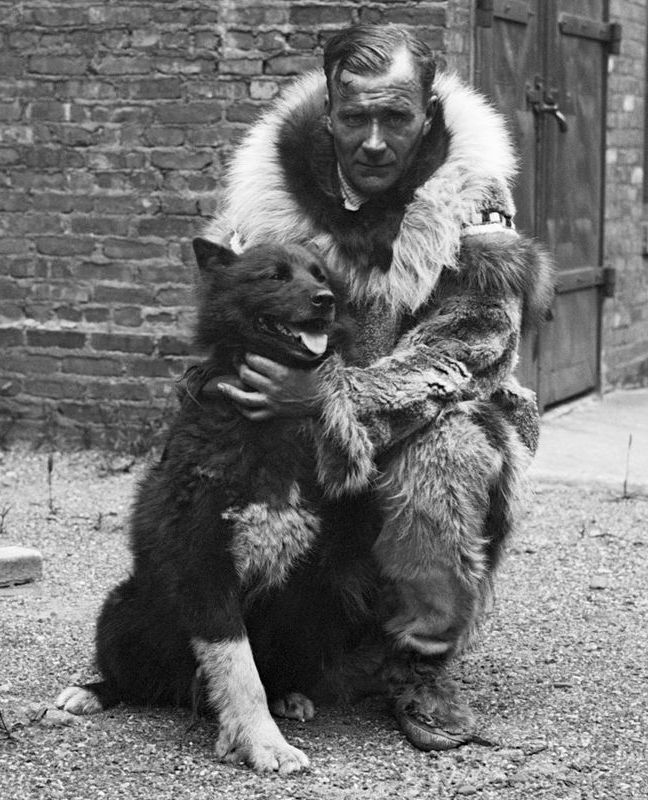
In 1925, Nome, Alaska faced a diphtheria outbreak, and antitoxin was carried by train and dog-sled relay. Balto and Gunnar Kaasen completed the famous final leg, while Togo and Leonhard Seppala handled one of the longest and most dangerous key sections. The full run involved about 20 mushers and around 150 sled dogs; this record keeps Balto and Togo in the same rescue chain.
Nome, Alaska, United States
An isolated town
In January 1925, Nome, Alaska faced a diphtheria outbreak. Winter ice cut off the port, and the available aircraft could not safely operate in the conditions. Antitoxin was sent by train from Anchorage to Nenana and then carried by dog-sled relay across the frozen route.
The relay later became known as the Great Race of Mercy. Public records describe about 20 mushers and around 150 sled dogs taking part in extreme cold, blizzards and strong winds.
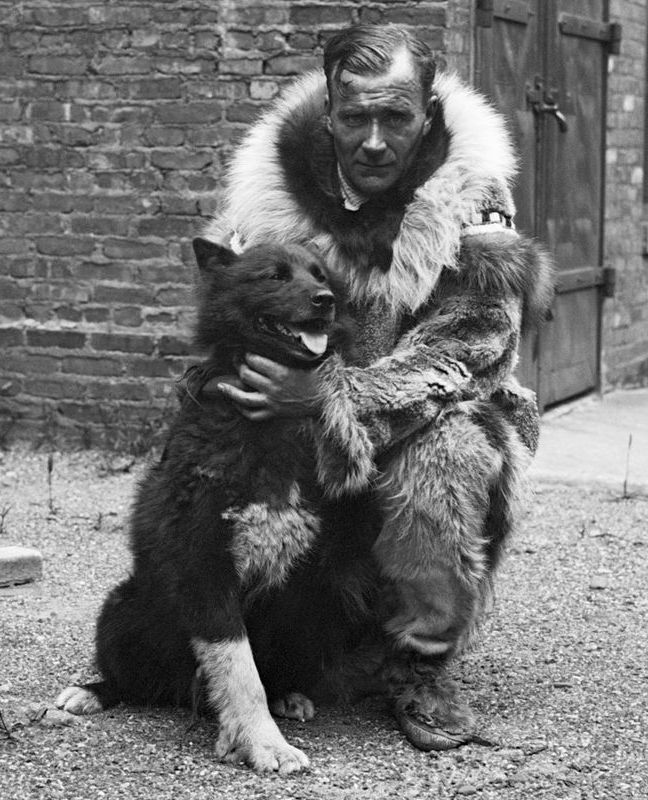
Balto on the final leg
Gunnar Kaasen's team handled the final stage, and Balto became its best-known lead dog. Records state that Kaasen and Balto continued in severe weather and reached Nome at about 5:30 a.m. on February 2, 1925, with the antitoxin intact.
Balto became the most famous dog in later public memory, but that does not mean one dog completed the entire rescue. Many unnamed dogs ran on the same lifeline.
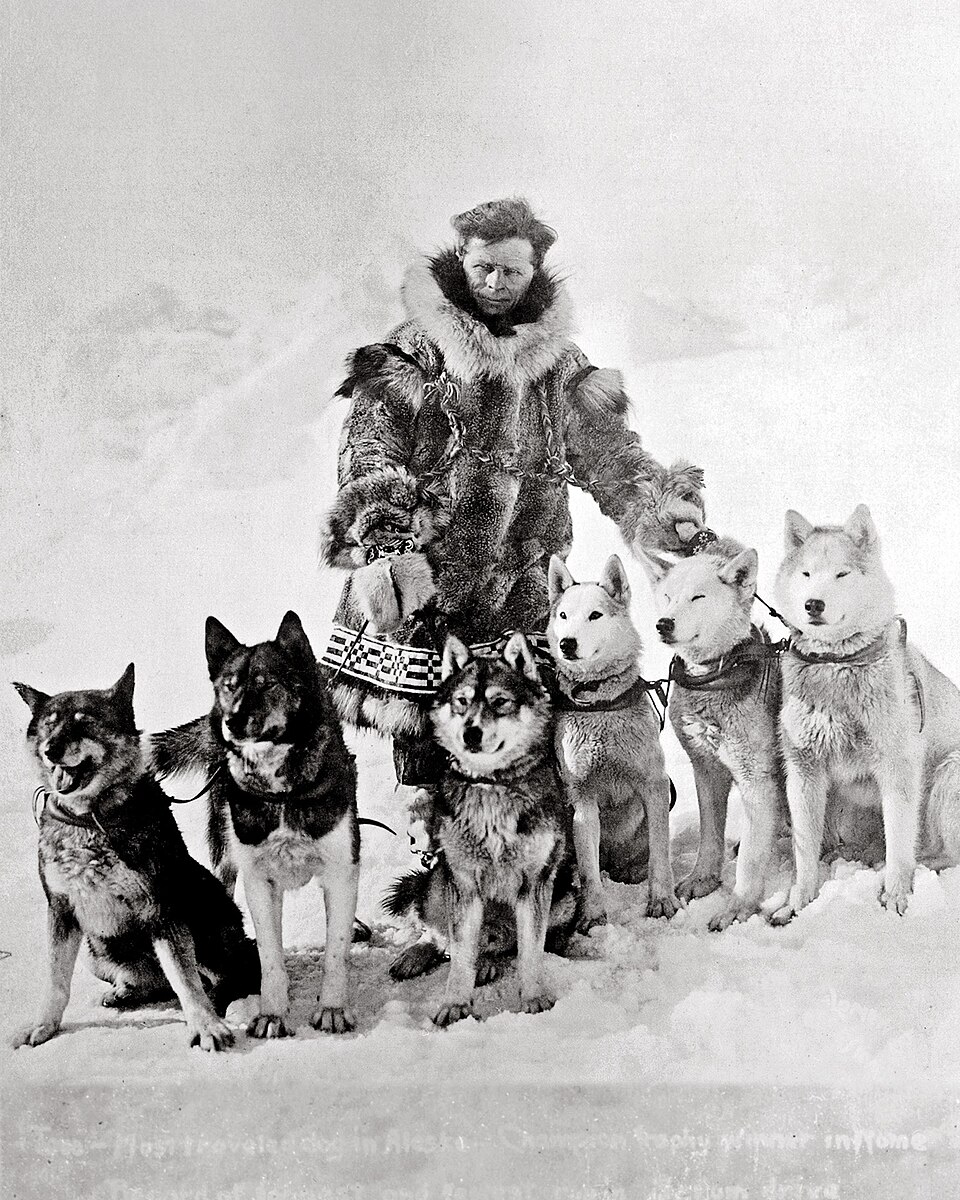
Togo on the longest dangerous section
In the same relay, Leonhard Seppala and lead dog Togo handled one of the hardest and longest key sections, including the hazardous Norton Sound area. Togo was not the dog at the final arrival, but carried a central weight in the route.
Balto and Togo should therefore not be turned into competing separate events. They belong to one rescue: one dog at the center of the finish-line memory, another carrying a longer dangerous leg. Keeping them together is closer to the historical shape of the relay.
Honor and boundary
Balto later became associated with statues, film and museum display. Togo became more prominent in later historical reassessment because Seppala's route was longer and more dangerous.
For that reason, this archive treats this as one canonical event: Balto and Togo in the Nome serum relay, not two separate countable cases. That boundary makes the memorial more honest and leaves room for the whole human and canine relay.
Why this record matters
Balto and Togo's story is a classic public memory of animals helping people escape danger: an epidemic, an icebound town, and a relay network of people and dogs bringing medicine to those who needed it.
It is worth preserving not because the legend must be enlarged, but because the facts are already moving. In extreme weather, animal endurance, direction and cooperation with humans became part of public health rescue.
Timeline
- January 1925 Nome faced a diphtheria outbreak and urgently needed antitoxin.
- January/February 1925 Seppala and Togo handled one of the longest and most dangerous key legs; Kaasen and Balto handled the final arrival stage.
- February 2, 1925 Kaasen, Balto and the team reached Nome with the antitoxin.
- December 5, 1929 Togo died.
- March 14, 1933 Balto died; his remains were later preserved and displayed by the Cleveland Museum of Natural History.
💬 Leave a Message
Messages are reviewed before publication. Please keep them calm, factual, and respectful.