
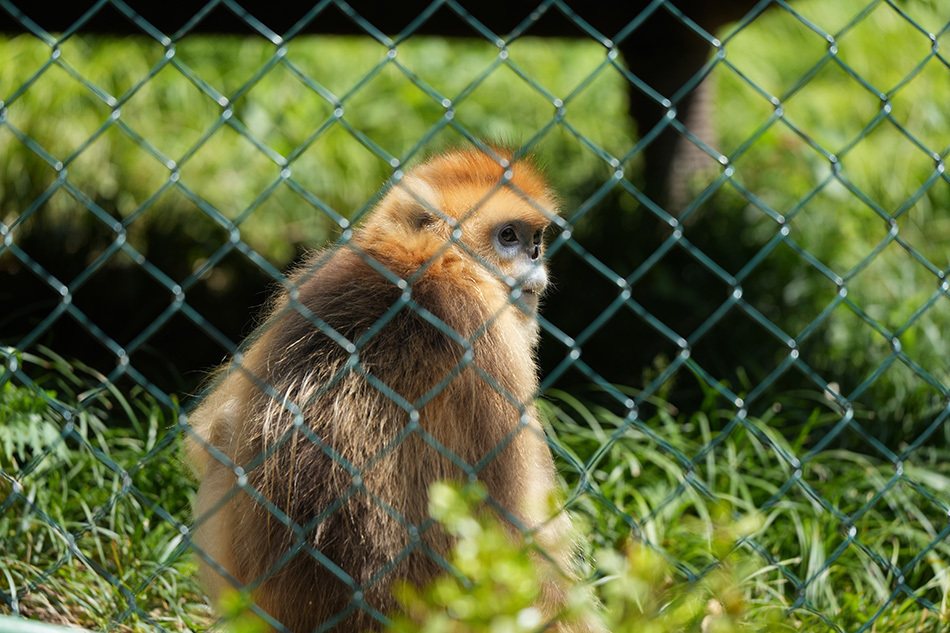
A l’hiver 2025, un vieux rhinopitheque dore isole est arrive pres de la base de sauvetage et d’elevage de Foping, dans les Qinling. Stresse, il ne mangeait ni ne buvait et souffrait de diarrhee. Apres traitement et evaluation, il a ete relache en foret, mais il est revenu de lui-meme peu apres.
Base de sauvetage et d’elevage du rhinopitheque dore de Foping, monts Qinling, Shaanxi, Chine
It came by itself
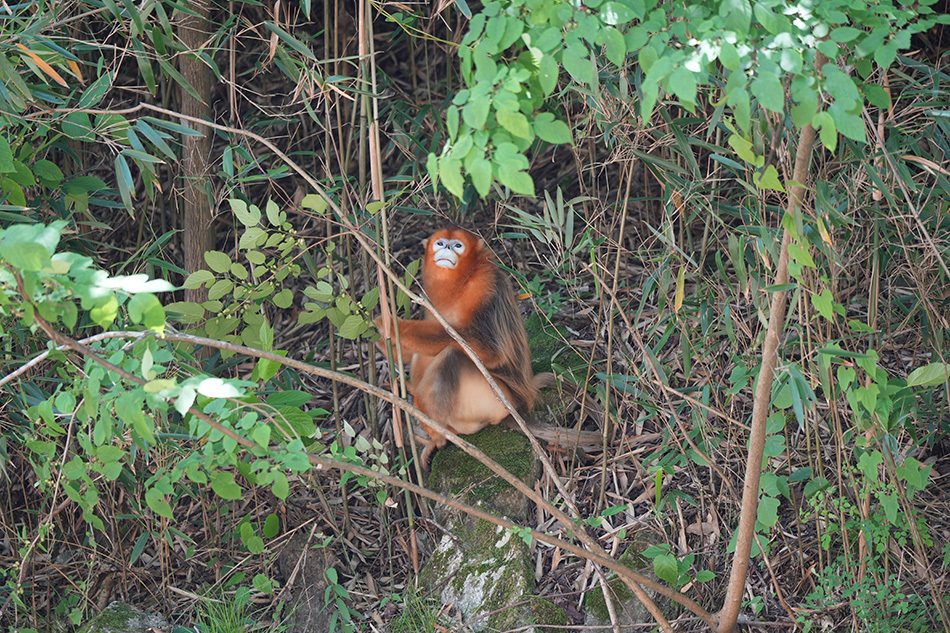
On November 19, 2025, the base received a group of golden snub-nosed monkeys needing rescue. Their calls attracted an old monkey wandering outside. Around December 25, it began staying near the base. Staff later named it Diandian because it was alone.
Diandian was not settled at first. Reports said it showed obvious stress, refused food and water, and had diarrhea. In wildlife rescue, the difficult part is not only bringing an animal to safety, but helping it through danger without destroying its wildness.
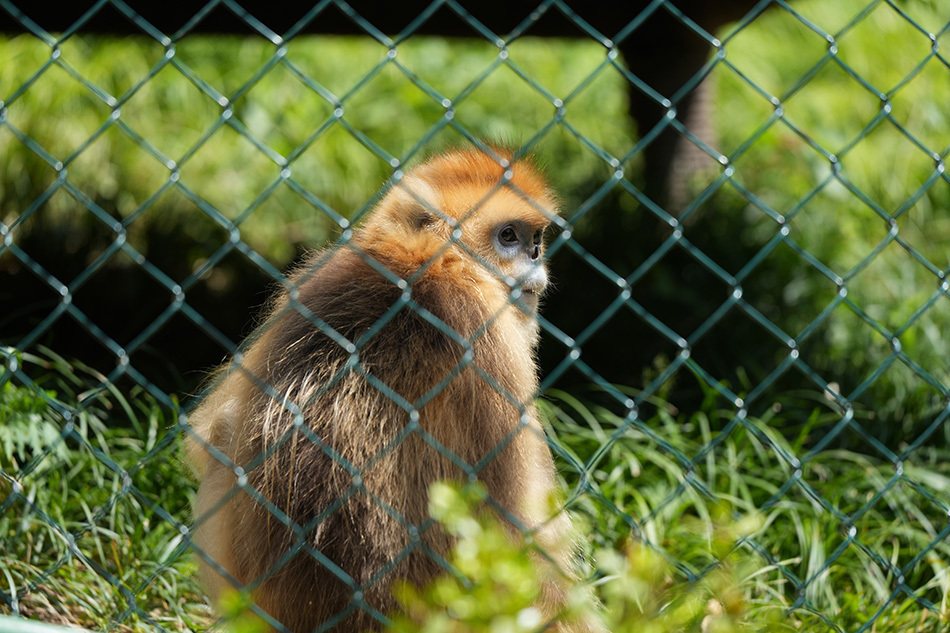
Rescue did not mean turning it into a captive animal
Staff treated the symptoms, consulted experts, tried to recreate a wild-like environment, fed only at fixed times, and reduced human intervention. This restraint was a form of respect. Care for a wild animal should not make it dependent on people if it may still return to the mountains.
Diandian slowly became less wary and got used to life around the base. The relationship was not a fairy tale of intimacy, but a trust with distance: people knew it needed help, and it learned that this place was temporarily safe.
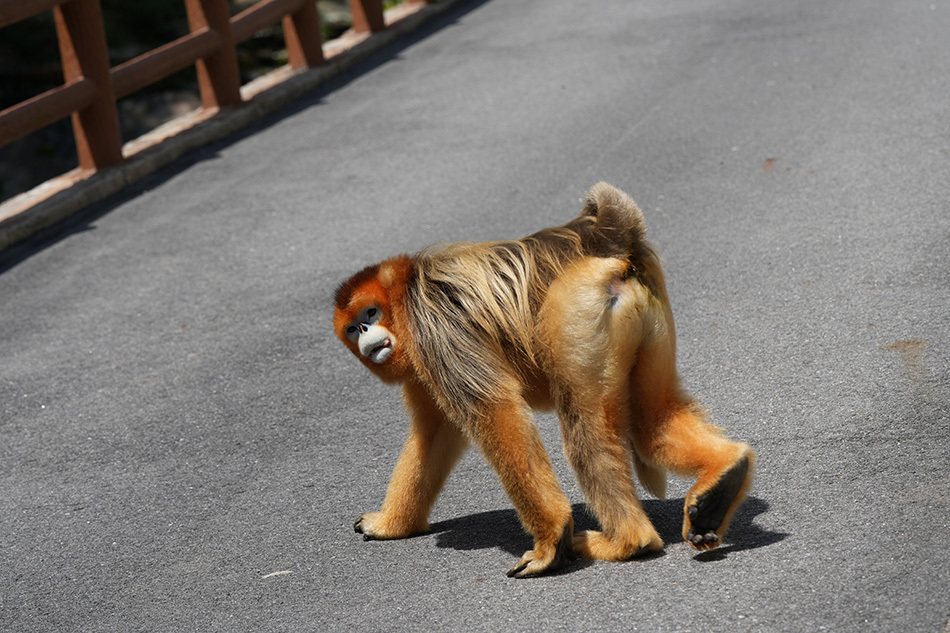
After release, it came back
After treatment and observation, experts judged Diandian ready to return to nature, and staff released it into the forest. For a wild animal, that is the ending people should hope for: returning to its own place.
But not long afterward, Diandian came back. That turn makes the story more real. Release is not a slogan, and the wild is not an abstract word. A life has its own age, strength, rhythm, and choices.
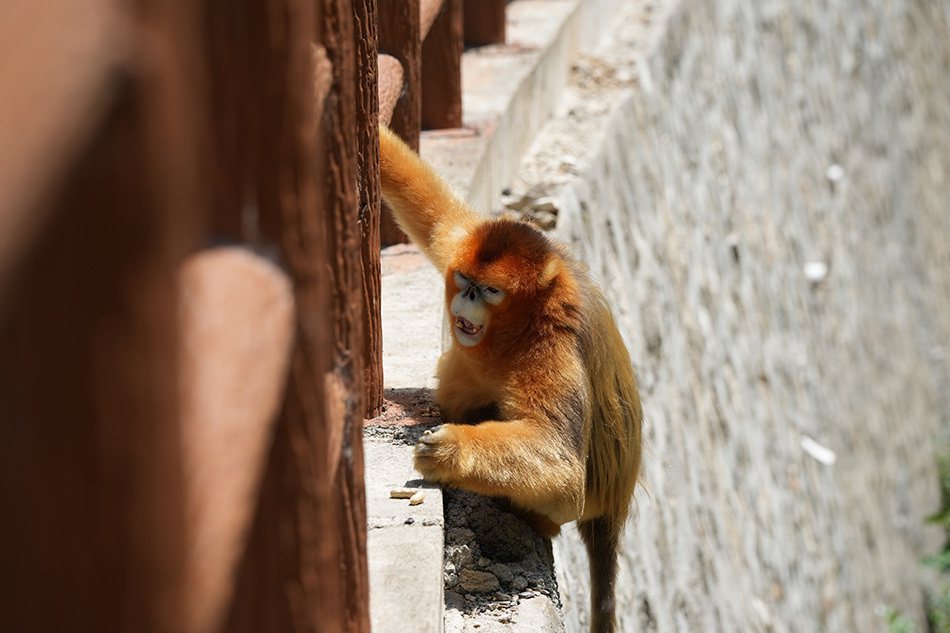
Watching over is harder than possessing
Diandian's story matters because rescue was not written as possession. Staff did not treat it as a mascot, and they did not simply chase it away when it returned. It remained a Qinling golden snub-nosed monkey that needed help at one stage of life.
Kindness toward wild animals sometimes means stepping back. It means not keeping them when they can leave, and still taking responsibility when they return. Diandian's gaze through mesh, branches, and forest reminds us that protection should let wild lives remain themselves.
Chronologie
- 2025-11-19 The base received rescued golden snub-nosed monkeys, whose calls attracted Diandian.
- Around 2025-12-25 Diandian began staying near the base and showed stress, refusal to eat or drink, and diarrhea.
- During rescue Staff treated it, consulted experts, fed at fixed times, and reduced human intervention.
- After expert assessment Diandian was released to the forest, but soon returned to the base on its own.
- 2026-06-09 State forestry sources, China Green Times, The Paper, and others reported the rescue and watchful care.
💬 Laisser un message
Messages are reviewed before publication. Please keep them calm, factual, and respectful.