
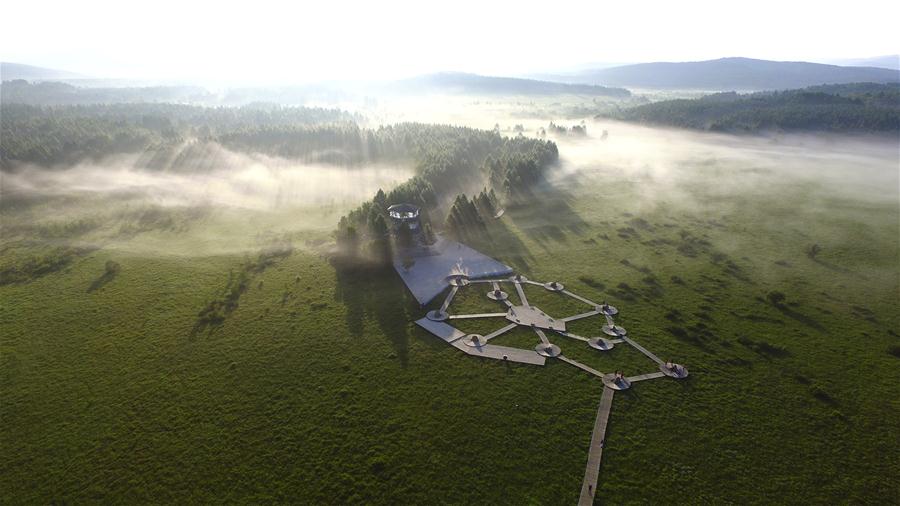
From the land degraded by wind and sand in the 1950s, to the construction of the site in 1962, three generations of man-made forests, and today’s habitat of forest, grass, and wetlands, it records how the Saihan Dam refocused the engineering narrative on birds and animals, water sources, forest structures, and the return of life.
Weichang Manchu and Mongolian Autonomous County, Chengde, Hebei, China, Saihanba Mechanical Forest Farm and surrounding areas
1. Where the wind and sand recede: from wasteland to habitat
If Saihanba was only written as "successful planting of trees", this documentary would deviate from what this site really cares about. What we want to ask more is: How can an alpine wasteland that has been significantly degraded in the 1950s and where wind and sand can travel south turn into an ecological space where birds and animals can stay, breed and travel in a few decades? Trees are of course important, but they are not the end point; after the tree survives, whether soil, water, insects, herbs, shrubs, birds and beasts can follow it back is the foothold of ecological protection.
Public information usually summarizes the starting point of Saihanba like this: It was once part of the royal hunting park of the Qing Dynasty. Later, due to over-logging, wildfires, grazing and extensive utilization, the original forest continued to degrade. By the 1950s, many areas on the dam had become desolate, cold and exposed areas with frequent wind and sand activities. The United Nations Environment Program wrote on the 2017 "Champions of the Earth Award" page that Saihanba was turned into a wasteland due to over-exploitation in the 1950s. Hundreds of forestry workers began planting trees in 1962; the forest coverage rate increased from 11.4% to about 80%. This set of figures is the first before-and-after comparison of this article: before the treatment, the forest had retreated to just over 10%; after the treatment, the continuous forestland reoccupied most of the landscape.
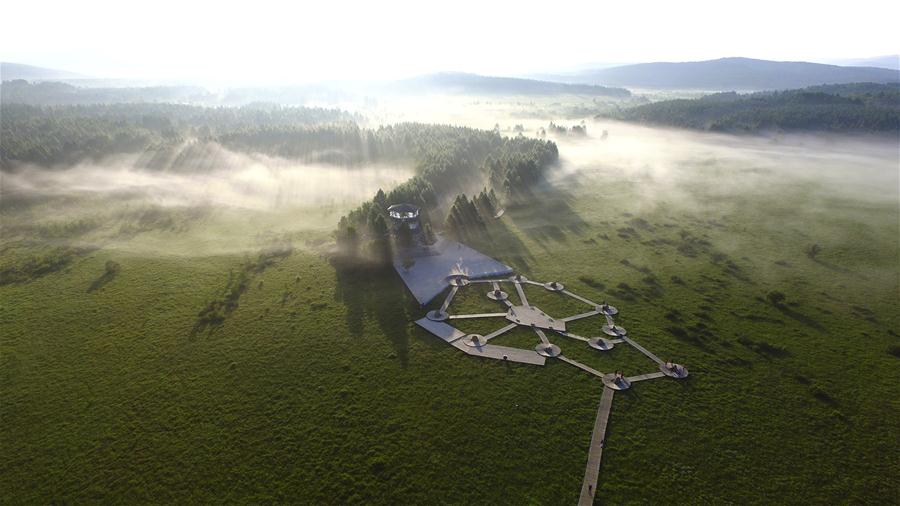
But forest cover is just an entry point. For vertebrates, the difference before and after treatment is not as simple as “much greener”. Before the treatment, bare land, windy sand, low and sparse vegetation, and unstable moisture meant that many birds lacked nest sites and food, small mammals lacked hiding places, and raptors lacked stable prey. It was difficult for migrating or wandering animals to regard this place as a place to stay. After treatment, woodlands, grasslands, shrubs and wetland water sources gradually merged together, and then began to have real habitat significance.
This is why this article does not write about Saihan Dam only as an engineering history. Engineering history is concerned with “how much is planted, how much survives, and how much is covered”; ecological documentation continues to ask: who came back after covering, who had food, who had nests, who still lacked space, which data can explain the changes, and which changes can only be cautiously described as trends at present. The value of Saihanba is not that it allows humans to obtain a beautiful aerial photo, but that after the sand recedes, the land can once again accommodate other life.
If we break down the life conditions before and after governance, the differences will be clearer. Before the treatment, windy sand and bare land meant that the surface seed bank was poor, the herb layer was difficult to maintain, insects had no stable food source, birds lacked insects and nest sites, small animals lacked hiding places, and raptors lacked sustainable prey. After treatment, woodland and grassland do not appear in isolation, but are changed together with leaf litter, soil moisture, shrubs, forest edges and water sources. These changes cannot be simply converted into "how many more animals of a certain species have increased", but they can explain why the reappearance of animals is possible.
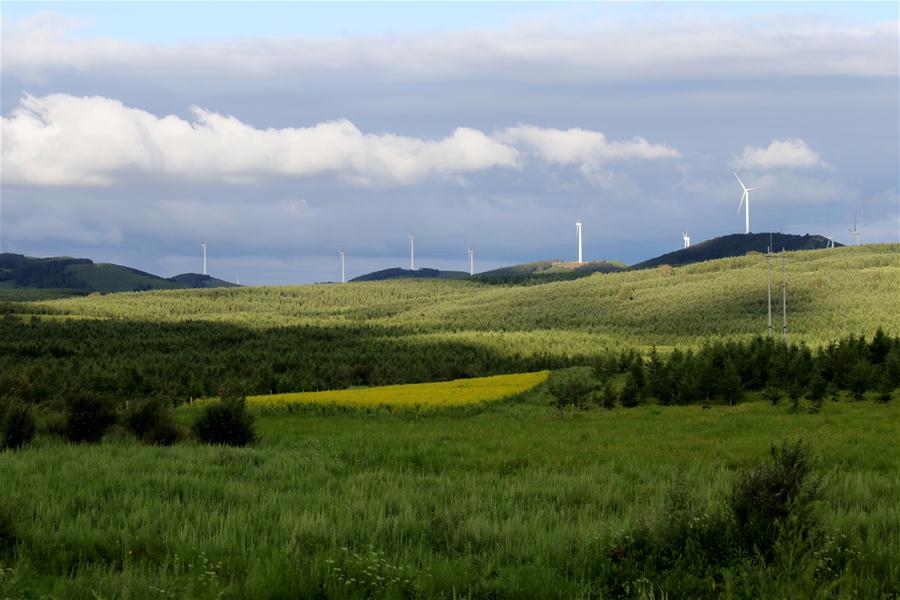
In other words, the before-and-after comparison of Saihanba has two levels: the first level is quantifiable surface changes, with the forest coverage rate increasing from 11.4% to about 80%; the second level is changes in ecological functions. The degraded land that was originally difficult to support a stable food chain gradually turned into a composite habitat that can support forest birds, raptors, small and medium-sized mammals, and wetland birds. The former is a number, and the latter is whether life can come back. What this article is really about is the second level.
2. After 1962: Only when trees survive can animals find their way
In 1962, Saihanba Mechanical Forest Farm was officially established. When the first batch of builders entered the dam, they faced high temperatures, strong winds, poor soil, long winters, and low afforestation survival rates. Early afforestation was not a success all the way. Public memories and reports repeatedly included freeze damage, drought, death of seedlings, and technical groping. Here is an ecological fact that is easily overlooked: if the saplings cannot survive, all subsequent stories about the return of birds and beasts will be out of the question.
The first stage of the task is to keep the tree alive. Foresters have to judge when to prepare the land, when to plant, how to block the wind, how to retain water, and how to choose tree species and seedling cultivation methods. Later, container seedlings, mechanical land preparation, appropriate tree planting, enclosure replanting and forest management gradually entered practice. They may sound like technical details, but for animals, these details determine whether there will be continuous habitat in the future. Without a stable layer of trees and shrubs, the insect community will be thin; with few insects, forest birds and chicks will lack food; with few grasslands and shrubs, small mammals will lack hiding and breeding space.
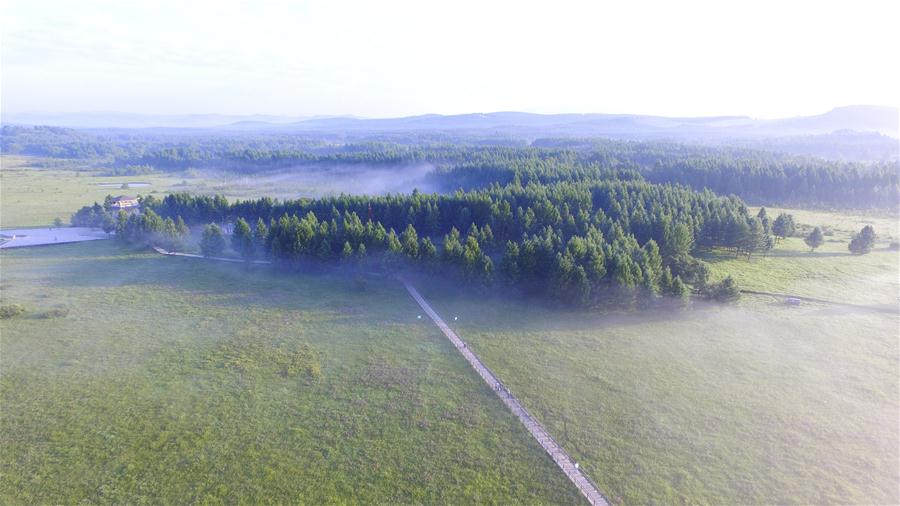
UNEP data give an area scale of approximately 92,000 hectares. When China Daily reprinted a Xinhua News Agency report in 2021, it mentioned that the total forest landscape area of Saihanba is about 76,700 hectares, and has become a national forest park, a nature reserve, and an important ecological barrier in Beijing and surrounding areas. The numerical caliber is different because the statistical objects and the scope of expression are not exactly the same; but they both show that Saihanba is no longer a scattered small forest, but a forest ecosystem with a landscape scale. For vertebrates such as birds and mammals, the scale of the landscape is very critical: small patches of green space can only rest for a short time, while large areas of continuous habitat can support migration, foraging, reproduction and shelter.
There is another change at this stage: people’s goals gradually shift from “planting trees” to “managing forests”. After the forest grows, if the structure is too simple, pests, diseases, fire risks, and ecological vulnerability will increase; if you only pursue dense trees and ignore forest edges, grasslands, wetlands, and shrubs, many animals will not find suitable locations. A truly healthy Saihanba should not only have a tree crown, but also understory herbs, leaf litter, shrubs, creeks, wetland edges, open grasslands and quiet areas. Animals don’t live in “coverage” but in these concrete spaces.
For birds, the canopy provides rest and shelter, tree holes and branches may become nest sites, understory insects determine the success or failure of brood raising, and forest edges and grasslands provide foraging space. For small and medium-sized mammals such as roe deer, hares, and red foxes, a single dense forest is not necessarily the best. What is really useful is the transition zone between woodland, shrubs, and open grass slopes. For raptors, the coexistence of forest edges and open areas provides both a perch and space for observation and hunting.
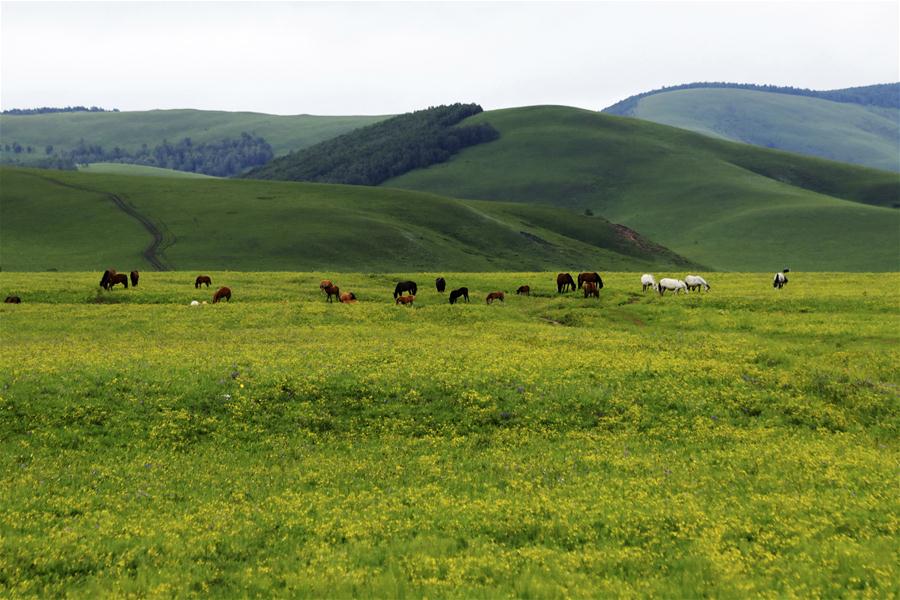
Therefore, Saihanba has moved from "afforestation" to "management", that is, from covering the land with a green coat to arranging different positions for different lives. This process is not done once and for all. Some areas need denser forests, some areas need to retain grassland and water, some areas need to reduce visitor access, and some areas need to allow dead wood and fallen leaves to remain on the surface. What seems untidy is often where animals need it.
3. Evidence of the return of life: first look at the birds and animals, then look at the Cordyceps, water and soil
The most difficult and important part of writing about Saihanba according to the new rules is to focus on biological changes. There are relatively clear public figures for forest coverage, water conservation, carbon sinks and ecological service value; as for the baseline before and after wildlife management, public materials do not always provide accurate comparisons of the same caliber. Therefore, this site adopts a cautious approach to writing here: write numbers where there are numbers, and do not hard-write trends as precise growth where there is no reliable baseline.
What can be said clearly is that the Saihanba before the treatment lacked stable forest and shrub and grass habitats, making it difficult for many vertebrate animals that rely on woodlands, forest edges, shrubs and wetlands to stay for a long time. After the treatment, images of roe deer, red foxes, hares, pheasants, raptors, forest birds and wetland birds appeared repeatedly in public reports. These reports do not amount to complete population statistics, but they indicate that Saihanba has transformed from a "tree project" to a "habitat available for animals." For this site, this change is more important than simply praising Lin Hai.
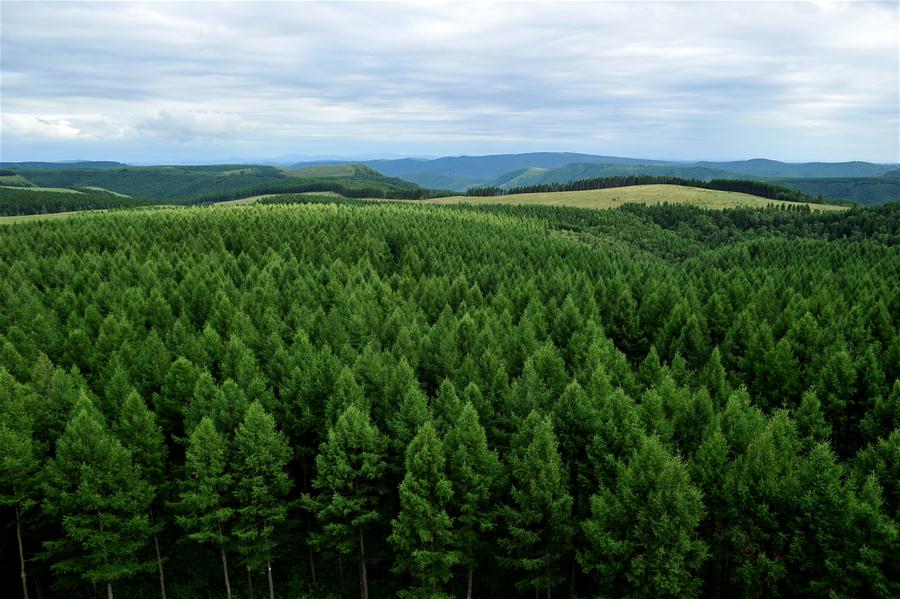
A more reliable before-and-after comparison can come from habitat conditions. UNEP data mentions that the Saihanba Forest can provide about 137 million cubic meters of clean water to the Beijing-Tianjin region every year and release about 550,000 tons of oxygen; a 2018 Xinhua News Agency report also mentioned similar water conservation and oxygen delivery data. When China Daily reprinted a Xinhua News Agency report in 2021, it also cited data from the Chinese Academy of Forestry Sciences, saying that forest farms can absorb about 860,300 tons of carbon dioxide and release about 598,400 tons of oxygen every year, with an ecological service value of nearly 16 billion yuan. Water conservation, carbon sequestration, and oxygen are not animal numbers, but they indicate that the habitat foundation is changing: the water is more stable, the soil is more stable, the microclimate is more stable, and the vegetation layer is likely to support more animals.
From the perspective of vertebrates, the ones that deserve the most attention are birds and small and medium-sized mammals. Birds are very sensitive to habitat changes: forest birds need tree crowns, tree holes, insects, and understory space; wetland birds need shallow water, tidal flats, and low-disturbance environments; raptors need prey density and a wide field of vision. Small and medium-sized mammals rely on forest edges, shrubs, grasslands and safe passages. The mosaic landscape of forest and grass after Saihanba's restoration provides exactly this kind of composite space. It is not a single dense forest, but an ecological puzzle composed of forests, grass slopes, open areas and water sources.
Insects, flowers, and soil are of course also written about, but they are more of a supporting layer here. When there are more insects, birds can have food for their broods; when herbs and shrubs are stable, small animals can find shelter; when litter and leaves and microorganisms improve the soil, vegetation can survive droughts; when wetlands and streams exist, migrating birds and amphibians have a chance to stop. In other words, Cordyceps, water and soil are not secondary backgrounds, but the base upon which vertebrates return. However, the narrative focus of this article should still be on whether the birds and beasts can come back and whether they can stay.
Therefore, the real changes in Saihanba can be expressed this way: before the treatment, it was a degraded land with a broken forest system, active wind and sand, and a lack of habitat conditions for many animals; after the treatment, it formed a composite habitat of large areas of woodland connected to grasslands, water sources, and shrubs. The former makes it difficult for animals to stay, while the latter allows birds and animals to regain routes, food and shelter. Publicly available data currently provide better evidence of changes in habitat base, while public images and reports provide on-site clues to animals' reappearance. The two combined form a relatively stable ecological narrative.
The wording "vertebrates first" should also be made clear here. This website focuses on animals, not just looking for cute individuals in the picture, but treating animals as sensitive indicators of whether the ecosystem is recovering. Whether birds increase resting and breeding records, whether mammals re-leave footprints, whether raptors have stable prey, and whether amphibians can use shallow water and grass during the wet season, these are all more indicative of ecological quality than pure green area.
Unfortunately, many public reports prefer to write about forest area and international awards, but rarely provide statistics on birds and animals of the same caliber before and after treatment. This does not mean that animal changes are unimportant, it just means that follow-up records need to be strengthened. The ideal Saihanba record should continuously publish bird list changes, breeding bird species changes, mammal infrared camera records, migration season observations, wetland waterbird numbers, road fatality records, and tourist disturbance records. Only in this way can ecological restoration move from “seemingly successful” to “being verified by life”.
The narrative can still remain honest even when there is not enough public material available. We can say that forest coverage, water conservation and carbon sequestration indicators have undergone tremendous changes; we can say that these changes have provided necessary conditions for the return of birds and beasts; we can cite roe deer, red foxes, hares, pheasants, raptors and forest birds that appear repeatedly in public reports as on-site clues; but we cannot expand the clues into population conclusions without sources. Restraint does not diminish emotion but protects the credibility of the record.
This way of writing is also more in line with the temperament of animal memory archives. We record our lives not to create beautiful myths, but to make the facts stand up to review. If today we can only confirm that "the habitat foundation has been greatly improved and the animal appearance clues have increased", I will write it here; if there is a more complete list and monitoring data tomorrow, I will add the record. Ecological documentation should be like a long-term archive, not a one-time promotional release.
In this article, the comparison we can safely adopt is from habitat indicators to animal logic: forest coverage increases from low to high, water conservation capacity increases, forest, grass, and wetland mosaic landscapes form, and public images show large-scale continuous green spaces. These conditions jointly increase the space available for birds and animals. As for the specific population size, this website reserves the right to be cautious and does not write a final conclusion on figures that do not have a unified source.
Taking birds as an example, the cold bare land and sparse vegetation before treatment can hardly provide nesting sites, food and shelter space at the same time; after treatment, only when the tree layer, shrub layer, grassland and water source appear together can it be possible to meet the needs of different birds. Forest birds need branches and leaves and tree holes, pheasants need grass and forest edges, raptors need prey and vision, and water birds need wetlands and shallow water. Different bird species have different needs, so true ecological restoration cannot just pursue a neat landscape.
Take mammals as an example. Small and medium-sized mammals commonly reported in public reports, such as roe deer, hares, and red foxes, rely on continuous but not completely enclosed spaces. They need grass to feed, shrubs to hide in, and relatively undisturbed passages. Before the treatment, the sandy bare land and extensive human use had fragmented this space; after the treatment, the interweaving of woodland and grassland made it possible for these animals to move again. Such changes, if not precise quantities, can be explained by habitat structure.
If Saihanba is to be written more accurately in the future, better animal monitoring data should be accumulated. For example, bird surveys on fixed transects can compare species changes in the breeding season and migration season; infrared cameras can record the frequency and activity time of mammals; road patrols can record animal passages and road fatality risks; wetland waterbird monitoring can record the number of resting birds; and amphibian and reptile surveys can reflect whether the water and grass microenvironments are stable. Without these long-term data, any claims of a "massive increase in animals" tend to sound frivolous.
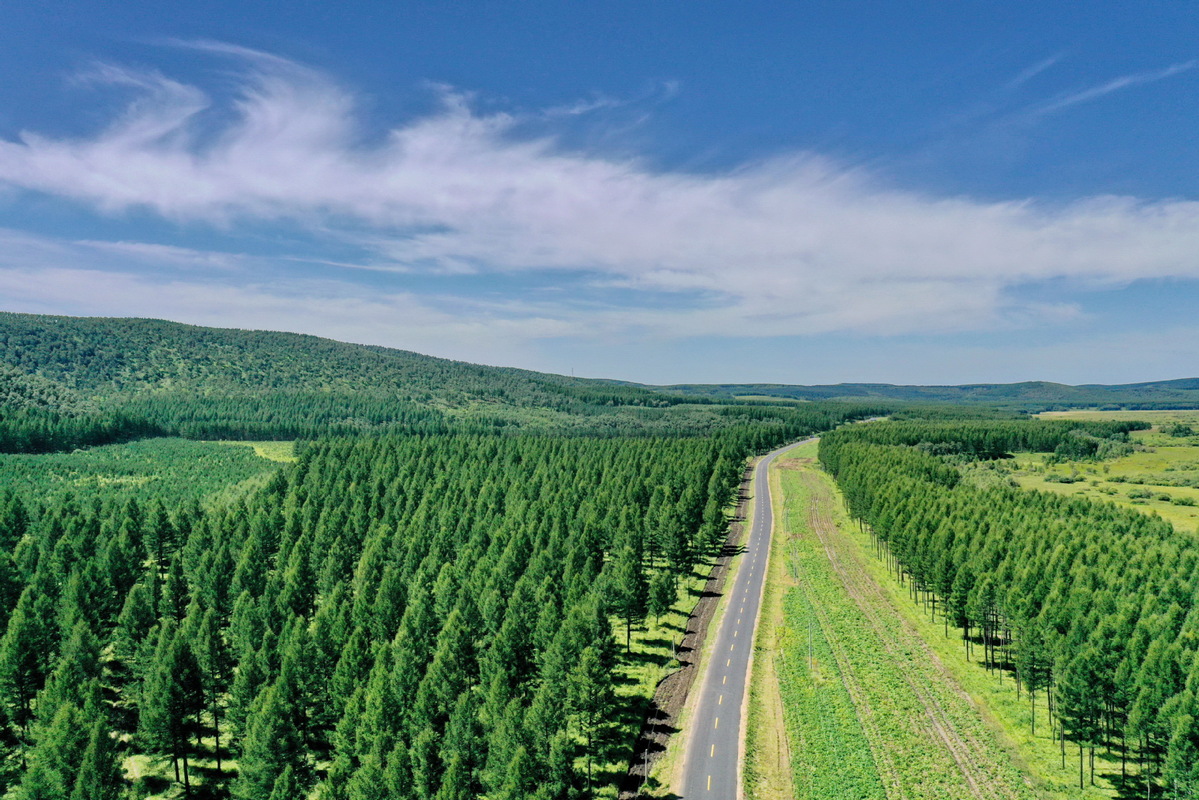
This does not diminish the value of Saihanba, but makes it more real. Truly mature ecological restoration should welcome more detailed records. Because only when the appearance of birds and animals changes from accidental photos to continuous monitoring, and from individual reports to long-term lists, will the public know that this forest does not just "look green", but is actually used by life.
4. The border behind the model: forests, tourism, climate and human restraint
In 2017, the Saihanba afforestation group won the United Nations Environment Program's "Champions of the Earth Award"; in 2021, the Saihanba Mechanical Forest Farm won the United Nations Convention to Combat Desertification's "Land Life Award" in the national category. Such honors make Saihanba part of the international ecological restoration narrative. But the more boilerplate it is, the less it can be written as a story that has ended. There is no graduation ceremony for ecosystems.
As forests grow, new risks arise. Large areas of forest land mean higher fire protection responsibilities; climate change brings more unstable precipitation, drought years and extreme weather; if the structure of plantation forests is too single, pests and diseases and regeneration pressure will continue to exist; tourism and roads will bring habitat cutting, noise, garbage, feeding and breeding season interference. For animals, the busier the forest, the better. What they often need is quiet, continuous space where they can hide and forage.
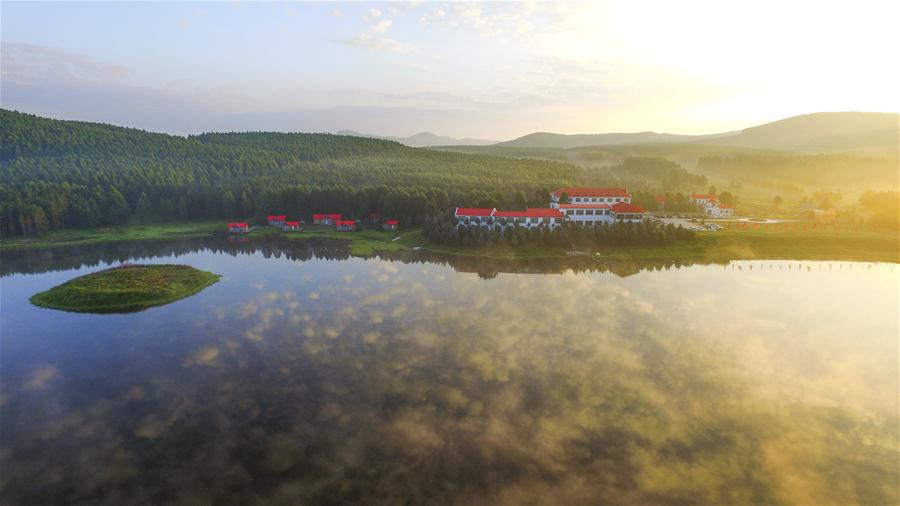
This requires Saihanba to move from "successful afforestation" to "maintenance of ecological quality". The more important question in the future is not whether there can be more green, but the proportion of mixed forests, natural regeneration, understory herbs and shrubs, whether wetland water sources can be maintained, whether animal passages are continuous, and whether breeding grounds are disturbed. For vertebrates, these questions are more immediate than what tourists see. A scenic spot can be beautiful, but a habitat can be fragile; the two cannot be confused.
If you put birds and animals in the center, the management objectives will change. Fire roads and tourist roads are not only transportation facilities, but may also cut off the movement routes of small animals; viewing platforms are not only tourist nodes, but may also be close to bird breeding areas; cleaning up litter is not only a matter of tidiness, but may also reduce the microhabitats of insects, fungi and small animals. Looking at Saihanba from an animal-centered perspective, many “human-friendly” practices need to be re-evaluated.
Climate change will also manifest itself first through animals. Continuous droughts will affect grasses and insects, thereby affecting bird brooding; warm winters and extreme weather may change the rhythm of pests and diseases; unstable precipitation will affect wetlands and shallow water areas, and waterbirds and amphibians will be the first to feel the pressure. If the Saihan Dam is to continue to serve as an ecological barrier in the future, it must not only monitor the growth of trees, but also monitor the responses of animals to these changes.
The boundaries of human activities should also be calibrated with animals. Whether a certain trail should be closed during the breeding season, whether a certain wetland should limit the photography distance, whether a certain section of road needs to be slowed down and prompted, whether certain grasslands should not be over-trimmed, these issues are not trivial matters of scenic area management, but the core of habitat management. After putting animals at the center, the management language will shift from "making it convenient for people to see" to "keeping life from being disturbed".
Saihanba is both an ecological restoration model and a public tourism space. There is a natural tension between these two identities. The more people are willing to get close to nature, the more meaningful ecological education is; but the more people there are, the more rules are needed. Real public education is not about asking tourists to take photos with the forest as the background, but to let them understand that the grass under their feet may be the world of insects and nestlings, the quiet areas at the edge of the forest may be passages for small animals, and a single approach to the water may interrupt birds from feeding.
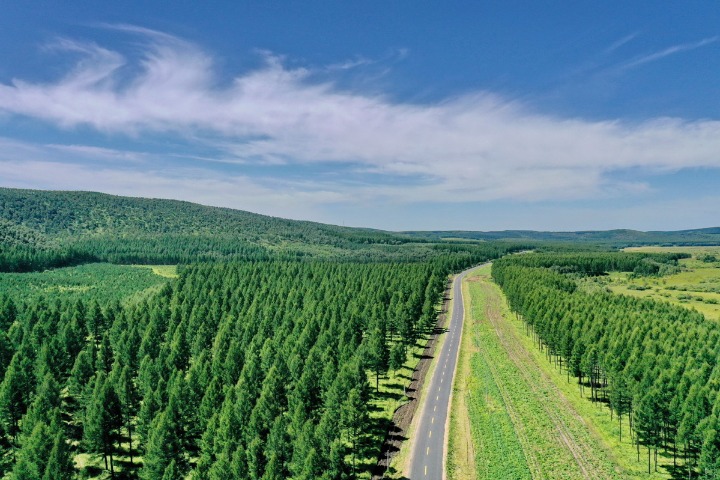
Saihanba also reminds us that ecological restoration cannot be simply copied. Not all degraded lands should be forested. Grassland animals do not necessarily need dense forests, and wetland birds do not necessarily need tall trees. Many insects and small mammals rely on a mosaic of herbs, shrubs, and open areas. What can be replicated is not "planting trees everywhere", but long-term investment, adapting measures to local conditions, respecting water resources boundaries, paying attention to animal habitat needs, allowing local people to obtain reasonable benefits, and targeting ecological quality rather than surface area.
5. Why is this site included: Turning engineering narratives into life narratives
The purpose of including Saihan Dam on this site is not to write an ode to a certain project, nor to compress complex ecological restoration into the slogan "man can conquer nature". What we care about is another line: when the wind and sand recede, when the water source becomes stable, and when the woodlands, grasslands and shrubs are reconnected, will animals find a place to live again? Animal injury archives record the moment when life is harmed; ecological guardianship records record the long process of life regaining habitat conditions.
Vertebrates are given priority because they are the easiest for a general reader to understand the success and failure of habitats. Whether birds build nests, whether beasts leave footprints, whether raptors hover, whether water birds rest, and whether amphibians appear in wet seasons, these images can translate abstract ecological restoration into life scenes. Insects, flowers, grass, water and soil are of course important, but in this article they first serve a clearer question: have these basic changes finally allowed birds and animals to regain living conditions?
If someone continues to write about Saihanba for this site in the future, the best supplement is not to add a few words of praise, but to find more specific vertebrate information. For example, whether the bird list has increased before and after treatment, which protected birds have stable records, which mammals are recorded by infrared cameras, whether waterbirds stop more during the migration season, whether tourist roads affect the movement of animals, and whether the protected area has announced breeding grounds, nest locations or monitoring of key species. The more such material there is, the more the article can move from "the environment has gotten better" to "life has indeed returned."
From this perspective, what is most worth remembering about Saihanba is not a set of grand numbers, but the changes in life conditions behind the numbers. The forest coverage rate has increased from 11.4% to about 80%, which means that many birds and beasts that were difficult to stay in the past have a greater chance of finding nest sites, food and shelter; 137 million cubic meters of water conservation per year means that the humid environment and downstream ecology have more stable support; carbon sink and oxygen data mean that this forest participates in a larger range of climate and air cycles. They all ultimately come back to the same question: can other lives live longer, more stably, and with more dignity as a result?
This article also maintains a cautious attitude: in public materials, forest and ecological service data are relatively sufficient; strict before-and-after comparison of animal populations still requires more long-term monitoring and public lists. This site will not make up the numbers of "how many animals before treatment and how many animals after treatment" in order to make the article more exciting. What we can do is put together reliable data, public reports, photographic evidence and ecological logic to tell readers: Saihanba has transformed from a windswept wasteland into a composite habitat, but this habitat still requires long-term patrols, scientific records, public supervision and restrained use.
If one day, readers stand at the edge of the forest in Saihanba, hear the wind blowing through the treetops, and hear the birds moving in the bushes, they may be reminded that the silence here is not natural. It comes from generations of failure, do-over, guarding and adjustment since 1962. Ecological restoration is not about giving humans a beautiful green monument, but about giving other life forms a place to stop.
This is also the fundamental change after the revision of this article: Saihanba is no longer written into more than 20 report-style sections, but five major sections are centered around the same issue: why life could not be retained before the treatment, how the habitat was formed after the treatment, what changes can birds and animals benefit from, what data can prove it, and what data is still missing. This kind of writing does not avoid the contribution of the project, but in the end the applause is not dedicated to the project itself, but to the lives that have regained space due to ecological restoration.
Therefore, the end point of this article is not "how great Saihanba is", but "what changes Saihanba has made in life". If a piece of land changes from wind-sand bare land to a complex habitat of connected forests, grasslands, wetlands and shrubs, if birds and animals regain food, nest sites, shelter and passages, and if humans begin to be willing to use monitoring and rules to protect these changes, then it will truly be worthy of being written into the global animal memory archives.
We also hope to add more solid vertebrate data in the future: bird and animal records in the early stages of management, subsequent protected area lists, infrared camera materials, stopover records of migratory birds, changes in breeding bird species, amphibian and reptile surveys, and road impact assessments. By then, the story of Saihanba will be more complete: not just from the wilderness to the forest, but from the forest to the community of life.
Source and description: This article refers to the United Nations Environment Program's 2017 "Champions of the Earth Award" Saihanba afforestation group page, Xinhua News Agency's 2018 Saihanba National Forest Park graphic report, China Daily's 2021 reprint of Xinhua News Agency's report on Saihanba's "Land Life Award", as well as public information related to Saihanba Mechanical Forest Farm, National Forest Park, Nature Reserve and ecological restoration in northern China. Data involving forest coverage, water conservation, oxygen release, carbon sinks and ecological service values are all quoted according to public reporting standards; when it comes to changes in wildlife, this article avoids writing observation clues that lack a unified baseline into precise population statistics.
If long-term bird and animal monitoring data published in protected areas or forest farms can be obtained in the future, this article should give priority to supplementing the vertebrate part, including the number of bird species, records of key protected birds, infrared camera records of mammals, the number of waterbirds in the migration season, surveys of amphibians and reptiles, and road impact data; followed by insect, plant, soil and hydrological indicators. In this way, the narrative of Saihanba will truly move from “green project” to “life community”.
To summarize in one sentence, the Saihan Dam before the treatment left animals with wind, cold, bare land and fragmented space; the Saihan Dam after the treatment began to provide tree crowns, grasslands, shrubs, water sources, insects and relatively continuous activity channels. The former allows life to pass by in a hurry, while the latter allows life to stop, feed, reproduce and hide. This is the most important before-and-after comparison of governance in this article.
If more detailed animal data can be obtained in the future, this article should continue to add specific figures: how many bird species were recorded before treatment and how many were stably recorded after treatment; which mammals have changed from occasional to common; which waterbirds stop during the migration season; which areas have become breeding grounds; and which roads still cause obstruction. These are the parts of Saihanba that are most worthy of continued tracking as a record of ecological protection.
In other words, the next time I improve this article, my top priority is not to look for grander slogans, but more concrete evidence of life: a string of footprints, a set of bird lists, an infrared camera, and a migration record will all be more valuable than empty praise. It is best to also explain the year, location and frequency of the occurrence of these evidences, so that readers can see that changes are not accidental, but a process in which life continues to return, habitats are gradually stabilized, and recording and filing are still needed.
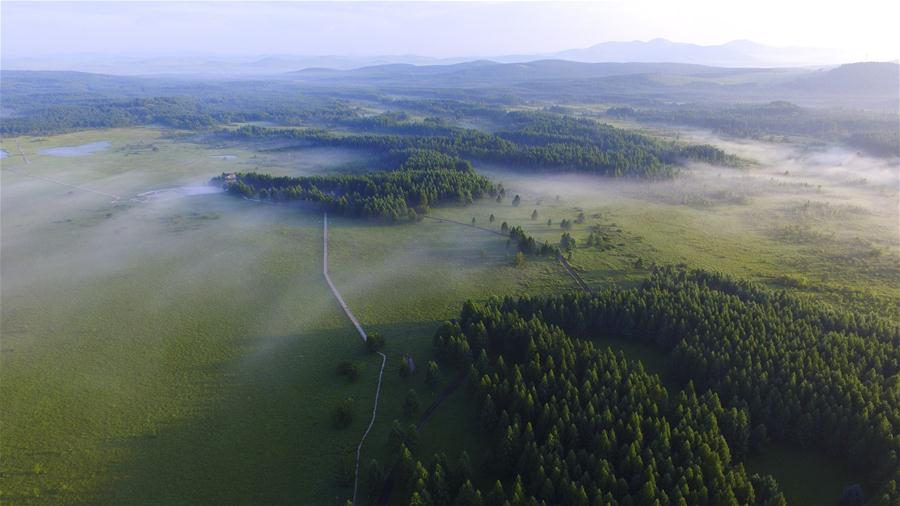
This is also the long-term requirement of this website for ecological documentation: each article should try to answer what happened before and after the treatment, especially what happened to the animals. When there is no data, the gap should be explained. When there is data, it should be naturally written into the story. When there are pictures, it should be explained which layer of ecological changes the pictures prove. Only in this way will the ecological conservation record not become a beautiful policy statement, but a real archive about life, land and human responsibility.
💬 Leave a Message
Messages are reviewed before publication. Please keep them calm, factual, and respectful.