
Animal Harm Archive
Lianyungang, Jiangsu: Samoyed “Xiaowang” burned to death after fireworks ignited his cage
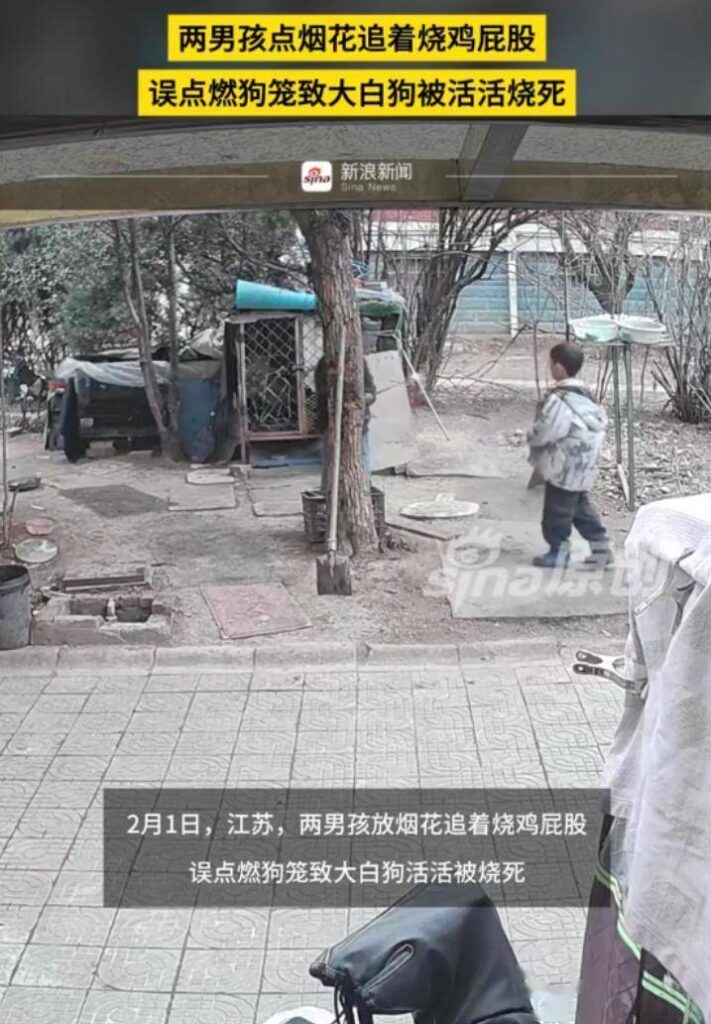
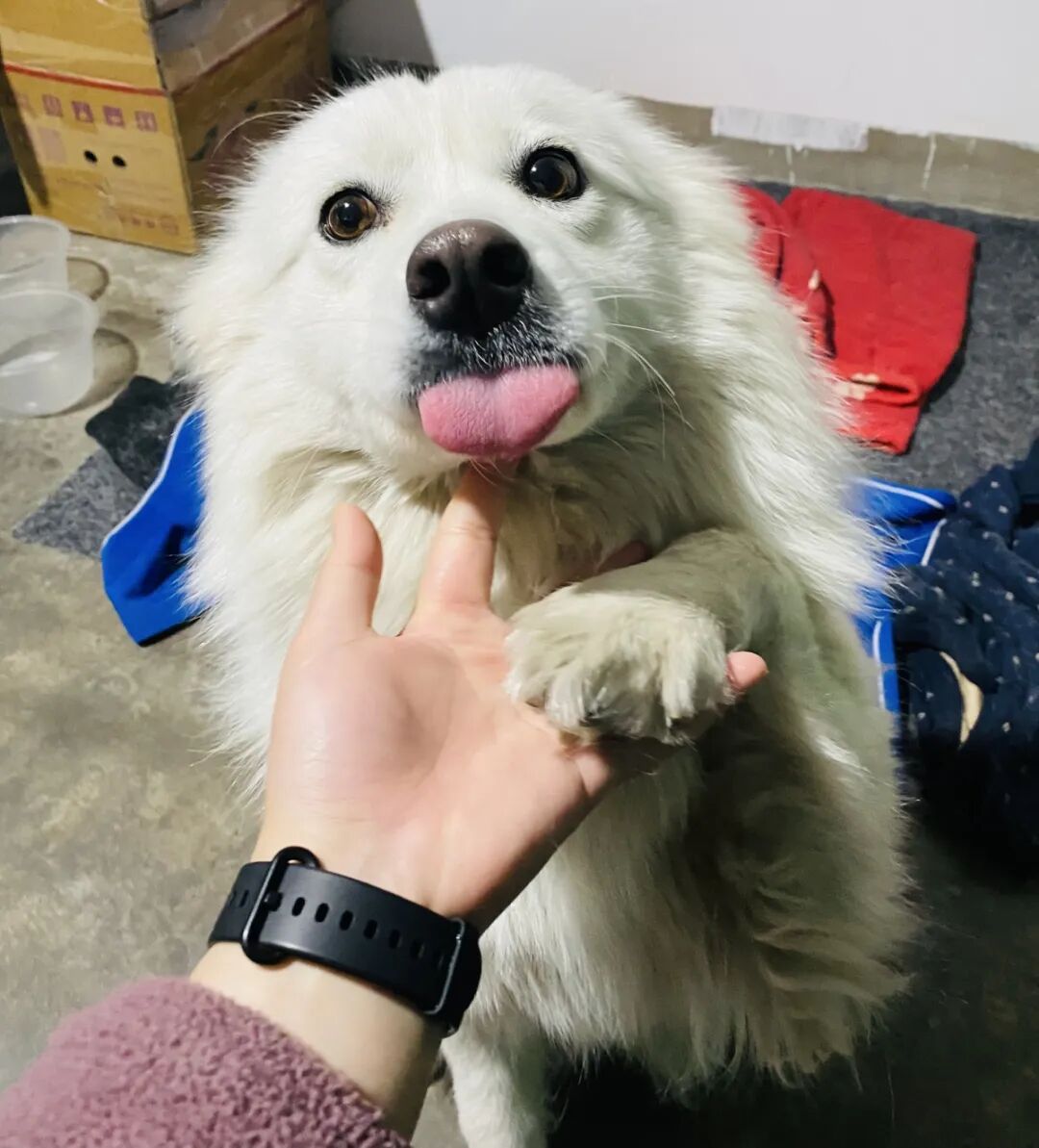
On February 1, 2026, in Zhongyang Garden Community, Donghai County, Lianyungang, Jiangsu, a Samoyed named Xiaowang was trapped in his cage. Public reports and surveillance screenshots said two boys set off fireworks near the cage, and one lit firework was thrown inside. The cage caught fire. Xiaowang could not escape and died in the flames and smoke.
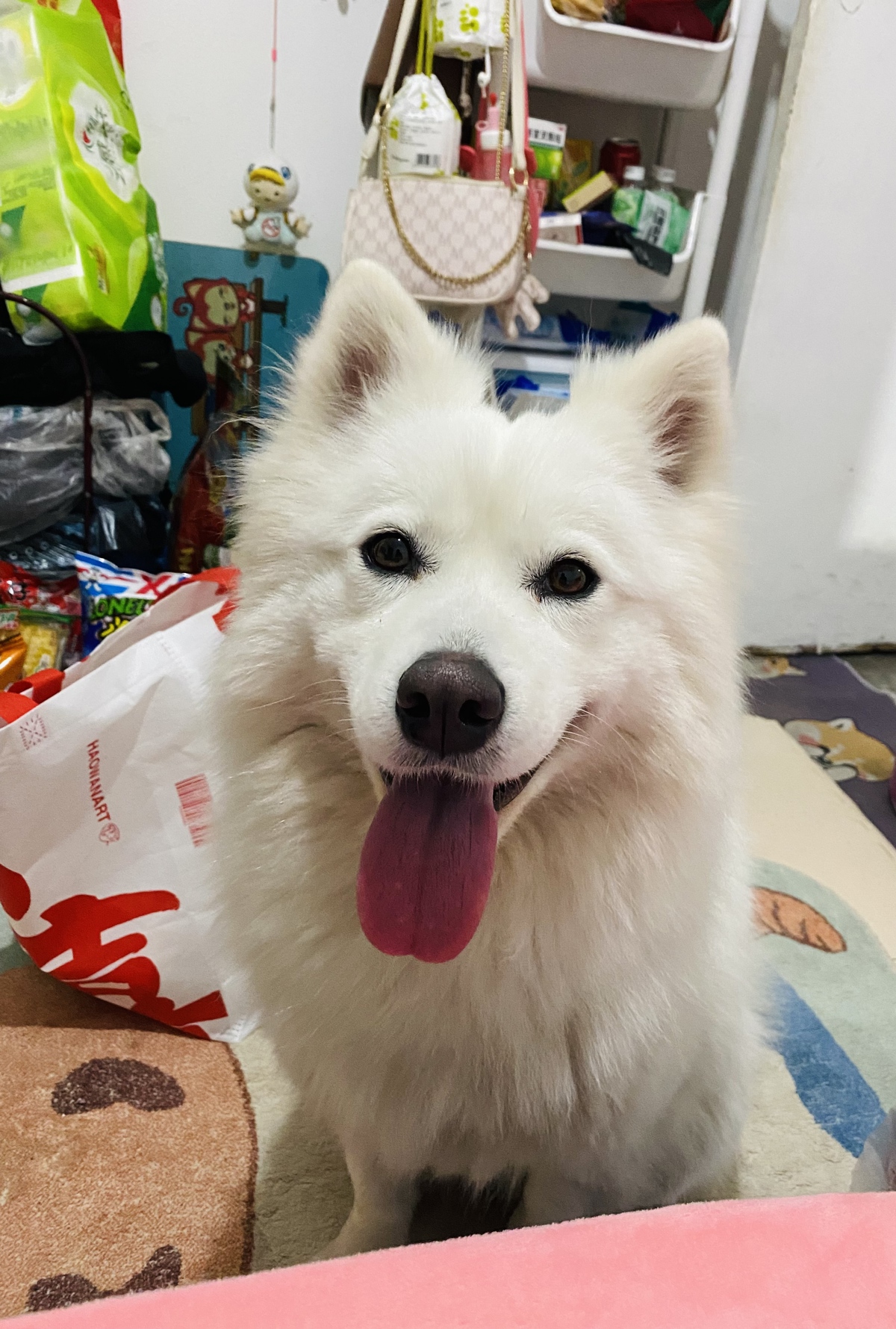
A life that could have escaped if the latch had been opened
In media reports, the owner, Ms. Jiang, said Xiaowang had lived with the family for seven years. He usually stayed in a cage in a public area of the community, where neighbors and children often saw him. That placement later raised questions about care in a public space, but wherever the cage stood, throwing burning fireworks into a place from which an animal could not open the door and leave is a cruel act.
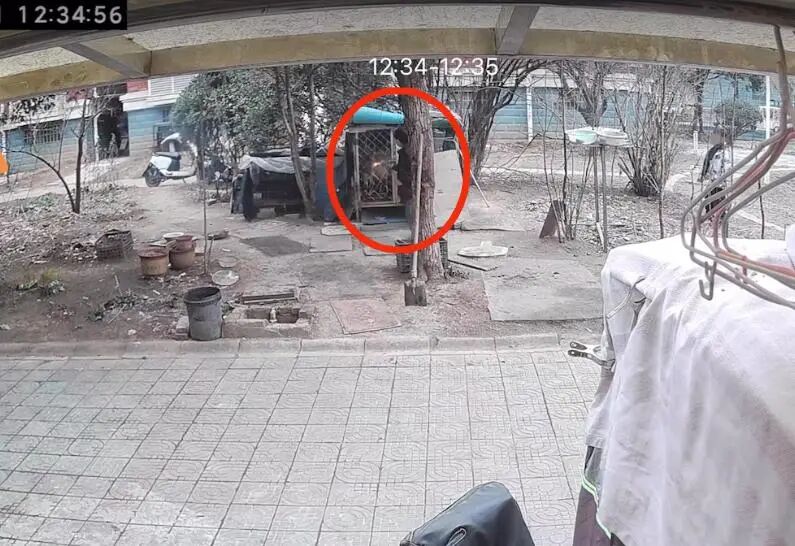
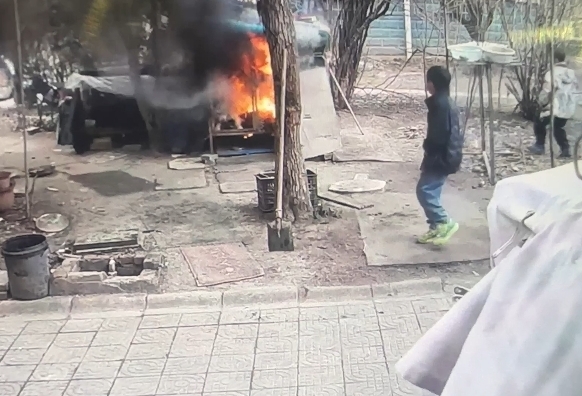
Jimu News described surveillance footage showing the boys approaching the cage around 12:34:50 p.m. One reportedly threw a lit firework inside; smoke appeared and the boys ran away. Around 12:35:40, they returned and lit another firework. A boy in black then chased a chicken with fireworks, while the boy in white watched the cage and shouted that it was on fire. Around 12:37, thick black smoke rose from the cage and flames soon swallowed it.
Ms. Jiang later wrote that Xiaowang leaned against the side of the cage before death, not knowing what to do. She also said the cage had a latch but was not locked; if someone had pulled it open in time, Xiaowang might have escaped. That detail makes the case heavier: this was not an unavoidable disaster, but a death that happened amid arson, watching, flight, and hesitation.
Apology, mediation, and deleted statements
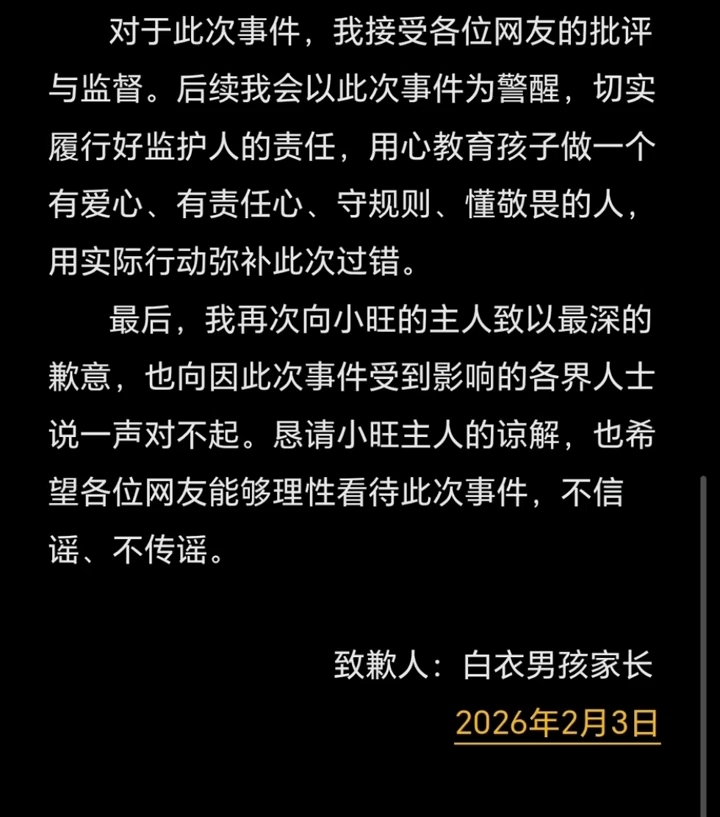
After the incident, local police mediated. Jimu News reported on February 2 that the boys’ families had offered 6,000 yuan in compensation, or another dog, but Ms. Jiang did not accept at that time and asked for a public apology in the residents’ group chat.
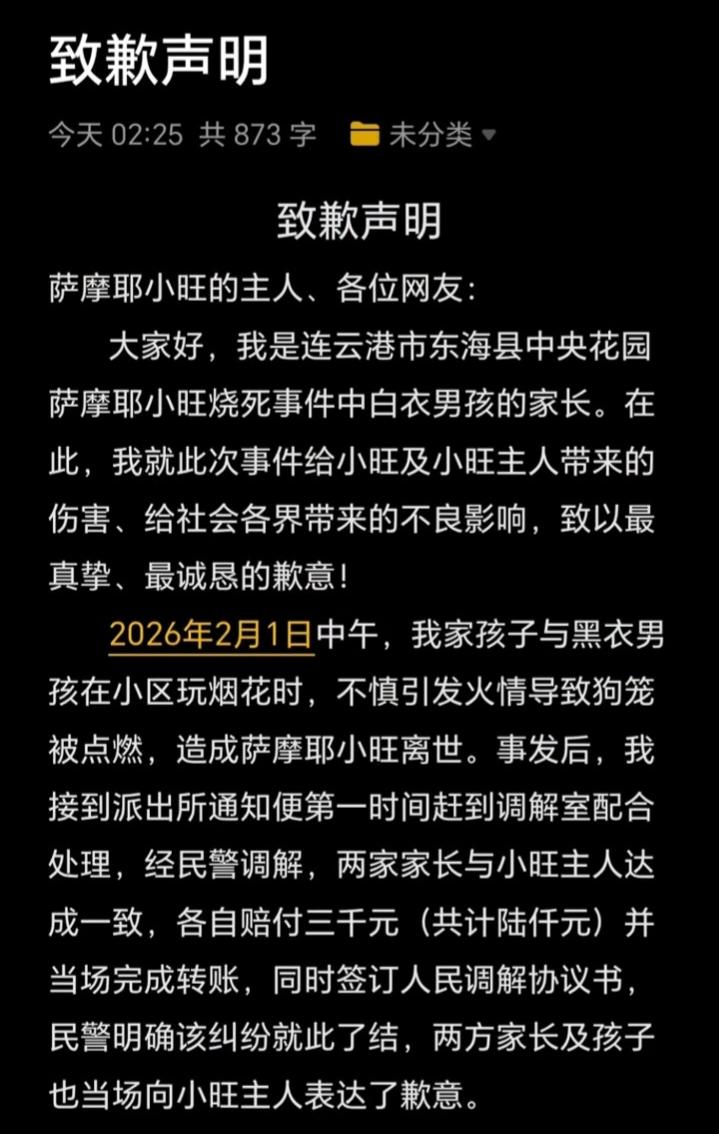
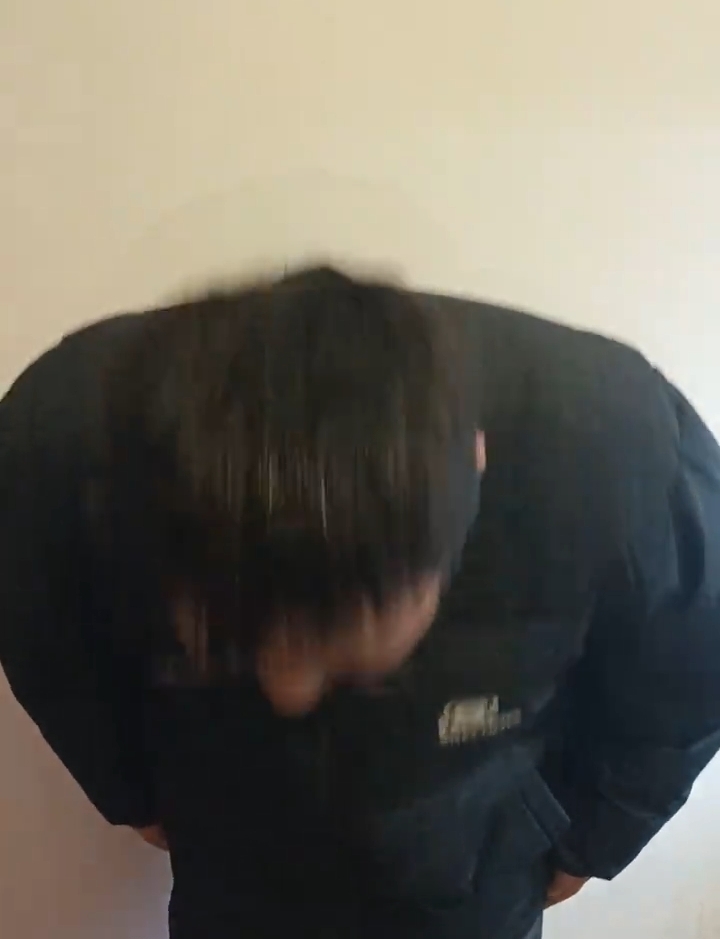
In the early hours of February 3, a parent of one boy posted a video and written apology, saying the guardian had failed to teach respect for life and rules. Reports said the parent claimed that both sides had reached an agreement at the police station, with each family paying 3,000 yuan.
Ms. Jiang later challenged the mediation. Reports by Sina and other outlets cited her as saying she was away when the incident occurred and returned the next day; the dog registration was in her name, while an elderly family member had signed the agreement. She said she did not recognize that agreement and still wanted a public apology.
At noon on February 4, Ms. Jiang’s account posted a new statement saying that, with lawyers and relevant departments assisting, she had reached a settlement and the matter was over. Earlier posts were deleted. Shenzhen News and Jimu News recorded the public doubts this caused: whether the deletion was voluntary, whether the settlement process was transparent, and whether setting a public-area cage on fire had received further handling. Long-standing X posts also repeated concerns that the owner’s voice disappeared. Those social-media claims are not official findings, but they record public distrust after the sudden disappearance of earlier statements.
Cruelty does not disappear because the offenders were children
Public anger came not only from the brutal way Xiaowang died, but also from a repeated pattern: when harm to animals is committed by minors, discussion can quickly move to “they are still children,” while the animal’s suffering is compressed into compensation, an apology, or even “we can buy another dog.”
Xiaowang was not replaceable property. He had a name, a seven-year relationship with a family, and a daily life familiar to neighbors. Throwing fireworks into a cage was not ordinary play. When smoke and fire appeared and no one opened the cage in time, the result was a life struggling and dying in fire.
A legal analysis republished by CCTV.com said lawyers considered the boys’ actions a civil tort, with guardians bearing civil responsibility such as compensation and apology. Lawyers also mentioned that placing the dog cage in a public area might involve management and comparative fault. But that discussion cannot hide the core fact: the direct act of igniting the cage caused Xiaowang’s death, and guardianship cannot end at the lowest possible monetary settlement.
Timeline
- February 1, 2026: In Donghai County, Lianyungang, boys set off fireworks near the cage; a lit firework was reportedly thrown inside; the cage burned and Xiaowang died.
- February 2: Ms. Jiang told media she would not accept a private settlement or another dog and wanted a public apology.
- Early February 3: A parent posted an apology and said compensation and mediation had been completed; the content was later deleted.
- February 3: Ms. Jiang said the registration was in her name and she did not recognize the agreement signed by an elderly family member.
- February 4: Her account said a settlement had been reached and earlier posts were deleted, prompting public questions.
Image Record
Why this record is kept
This case has public reports, visible surveillance images, owner statements, parental responses, legal commentary, and later public controversy. Xiaowang’s death was cruel, and the sudden mediation, deleted posts, and distrust that followed should not disappear after a few days of attention.
Remember and Respond
Offer a Flower
Anonymous flower offerings are limited by IP address to keep this public-interest website sustainable.
Messages
Approved visitor messages will appear here after review.
💬 Leave a Message
Messages are reviewed before publication. Please keep them calm, factual, and respectful.